 Give Us A Call! 702-276-6534
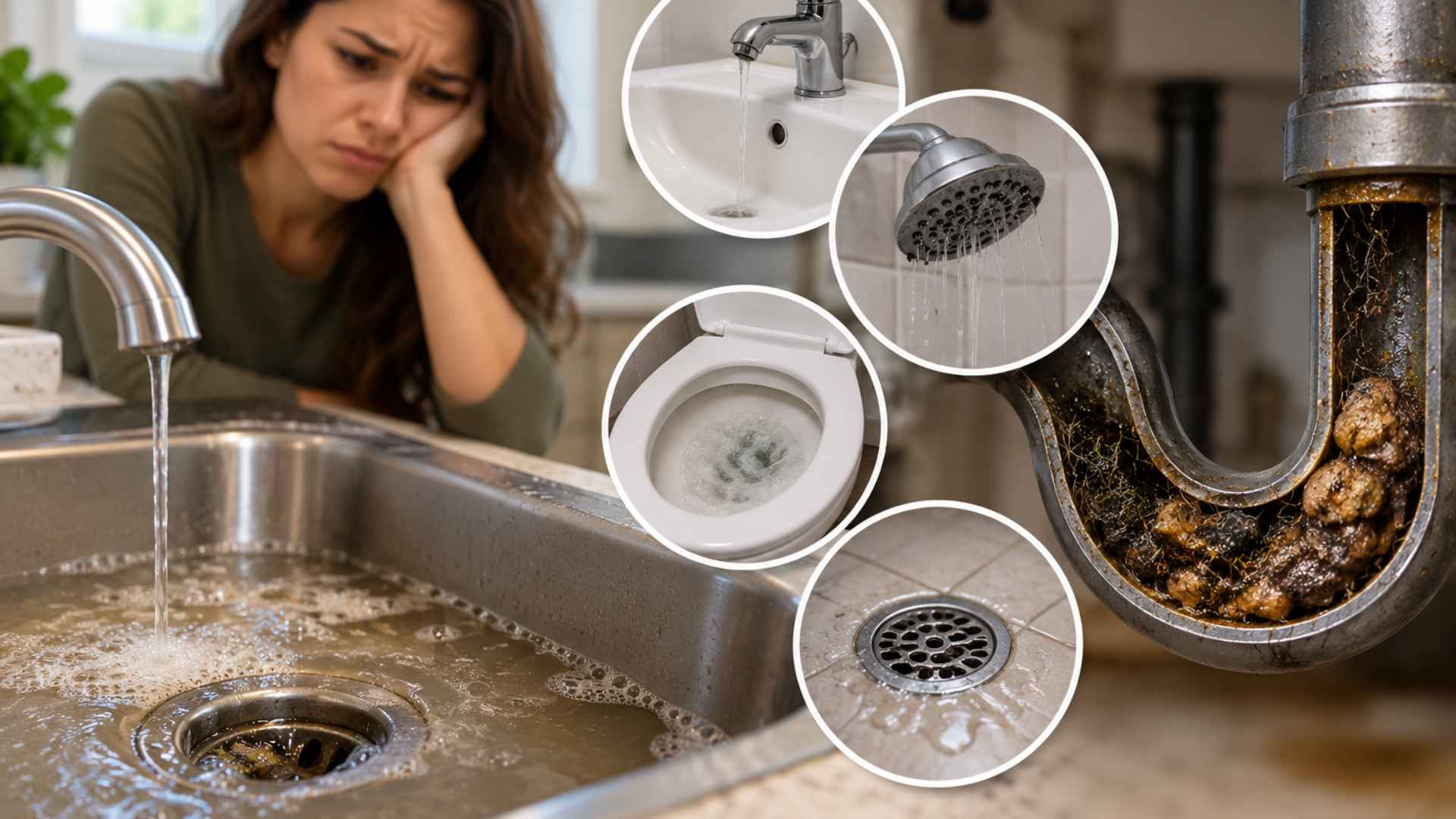
You turn on the shower and suddenly the water pressure isn’t what it used to be. Maybe the kitchen faucet seems weak, the shower slows to a trickle when another fixture is running, or the entire house feels like it has lost water pressure.
Low water pressure can be a minor issue with a single faucet or a sign of a larger plumbing problem. For homeowners in Las Vegas, Henderson, and throughout Southern Nevada, mineral buildup from our hard water can also contribute to restricted water flow over time.
The first step is figuring out whether the problem is happening at one fixture or throughout the entire home.
Is the Low Water Pressure at One Fixture or Throughout the House?
This is one of the easiest ways to narrow down the problem.
If only one faucet or shower has low pressure, the issue is probably located at or near that fixture.
If water pressure has dropped throughout the entire house, the cause could involve the home’s main water supply, pressure regulator, plumbing system, or even a leak.
Try several fixtures around your home, using both hot and cold water. That can give you a better idea of how widespread the problem is.
1. A Faucet Aerator or Showerhead May Be Clogged
If the problem is limited to one faucet or shower, start with the fixture itself.
Las Vegas Valley water contains dissolved minerals that can leave the familiar white, chalky buildup you see around faucets and showerheads. Over time, those deposits can also restrict the small openings that water passes through.
A clogged faucet aerator or showerhead can make it seem like your home has lost water pressure even when the plumbing system itself is operating normally.
If one fixture has noticeably less flow than the others, mineral buildup is one of the first things worth checking.
2. Southern Nevada’s Hard Water Can Contribute to Buildup
Hard water is a fact of life in Las Vegas.
The minerals in our water can accumulate on fixtures and inside portions of a plumbing system over time. The amount of buildup and its effect on water flow will depend on the home’s plumbing, age, water treatment, and other factors.
This is especially worth considering when water pressure has gradually declined rather than dropping suddenly.
If you’re seeing significant mineral deposits around faucets and showerheads while also noticing reduced water flow, the two may be related.
3. Your Pressure Regulator Could Be the Problem
Many homes use a pressure-reducing valve, commonly called a pressure regulator, to control the pressure of water entering the house.
If that regulator begins to malfunction, you may notice a significant change in water pressure throughout the home.
Pressure regulator problems aren’t always limited to low pressure. A failing regulator can potentially result in pressure that is too low, too high, or inconsistent.
Because excessive water pressure can put unnecessary stress on plumbing fixtures and components, this isn’t something you want to solve simply by adjusting things until the shower feels stronger.
A plumber can measure the home’s actual water pressure and determine whether the regulator is operating correctly.
4. A Partially Closed Valve Can Restrict Water Flow
Sometimes the explanation is surprisingly simple.
Your home’s water supply has shutoff valves that control water flow. If a main valve isn’t completely open, it can restrict the amount of water reaching fixtures throughout the house.
This may happen after plumbing repairs, maintenance, or other work involving the home’s water supply.
If your water pressure suddenly changed immediately after plumbing work, a valve position may be worth checking.
5. Low Water Pressure Can Be a Sign of a Leak
A plumbing leak can reduce the amount of water reaching your fixtures.
Some leaks are obvious. Others can occur behind walls, beneath floors, underground, or in areas that aren’t easily visible.
Low water pressure alone doesn’t necessarily mean you have a leak, but pay attention if it occurs along with other warning signs, including:
* An unexplained increase in your water bill
* Damp or discolored walls or ceilings
* Water pooling where it shouldn’t
* The sound of running water when fixtures are off
* Unexplained wet areas outside
* A water meter that continues moving when no water is being used
If you suspect a leak, having the problem investigated quickly can help prevent additional water damage.
6. Is the Problem Only With Hot Water?
There’s another useful test you can perform.
Does the low pressure affect both hot and cold water, or only the hot side?
If cold-water pressure seems normal but hot-water flow has dropped throughout the house, the issue may be related to the water heater or hot-water plumbing rather than the home’s entire water supply.
This distinction can help narrow down where the problem is occurring.
7. Your Neighborhood Could Be Experiencing a Temporary Water-Supply Issue
Not every water-pressure problem originates inside your house.
Utility work, maintenance, a water-main issue, or other temporary conditions can sometimes affect water pressure in an area.
If your pressure dropped suddenly, especially without any other signs of a plumbing problem, it can be worth determining whether neighboring homes are experiencing the same thing.
If your neighbors have normal pressure and yours remains low, the problem is more likely specific to your property.
Why Does My Water Pressure Drop When Someone Else Uses Water?
A small change in flow when several fixtures are operating can be normal.
A dramatic drop is different.
If taking a shower becomes difficult whenever someone runs the washing machine, flushes a toilet, or turns on another faucet, your plumbing system may not be delivering enough flow when demand increases.
Possible causes can include restrictions, valves, pressure-regulation problems, buildup, or issues with the home’s plumbing.
A plumber can test the system rather than guessing which component is responsible.
Should You Increase Your Home’s Water Pressure Yourself?
Be careful here.
More pressure isn’t automatically better.
Water pressure that is too high can place additional stress on faucets, supply lines, appliances, valves, and other plumbing components. If your home suddenly has low pressure, it’s better to identify the cause than simply try to increase it.
Knowing the actual water pressure coming into the home is an important part of diagnosing the problem.
When Should You Call a Plumber for Low Water Pressure?
A clogged showerhead or faucet aerator may be something you can address yourself.
It’s time to investigate further when the problem is more widespread or keeps returning.
Consider calling a plumber if:
* Water pressure is low throughout the house
* The pressure dropped suddenly without an obvious reason
* Hot-water pressure is significantly lower than cold
* Pressure changes dramatically when multiple fixtures are used
* You suspect a pressure regulator problem
* You notice signs of a possible water leak
* Cleaning the affected fixture doesn’t solve the problem
* Water pressure continues getting worse
Finding the cause is especially important if the change happened suddenly.
Low Water Pressure in Your Las Vegas Home?
If your shower doesn’t have the pressure it used to or water flow throughout your home has noticeably changed, Pipe Pros can help determine what’s causing the problem.
Pipe Pros serves homeowners throughout Las Vegas and Southern Nevada with professional plumbing services. Whether the problem is isolated to a fixture or involves the home’s larger plumbing system, identifying the cause is the first step toward fixing it correctly.
Experiencing low water pressure? Contact Pipe Pros to schedule plumbing service in Las Vegas and Southern Nevada.
Disclaimer: This article was created by Two Four Media for general informational purposes only and is not intended as professional plumbing advice. Plumbing systems and situations can vary. For questions about your specific plumbing needs, diagnosis, repairs, or service, please contact Pipe Pros directly.