Check Us Out

Tag: Leak Detection

Your Water Bill Suddenly Jumped? Here’s What Could Be Causing It
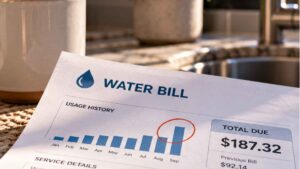
You open your latest water bill and immediately notice something is wrong.

Last month looked normal. This month? Your water usage suddenly jumped — and so did the amount you owe.

For homeowners in Henderson and the Las Vegas Valley, higher water use can sometimes be explained by seasonal changes, irrigation, guests, or increased household activity. But when nothing about your routine has changed, an unexpected increase can also be an early warning sign of a plumbing problem.

Before assuming the higher bill is simply the new normal, here are some of the places worth checking.

First, Compare Your Actual Water Usage

Don’t look only at the dollar amount.

Compare the water consumption shown on your current bill with previous billing periods. Rates and other charges can change, so the amount due alone doesn’t necessarily tell you whether your household actually used more water.

If consumption has increased significantly, ask yourself whether there’s an obvious explanation.

Did you recently:

* Increase landscape watering?
* Fill or add significant water to a pool?
* Have guests staying at your home?
* Install new landscaping?
* Use more water for cleaning or home projects?
* Change your normal household routine?

If none of those apply, start looking for water that may be going somewhere you didn’t intend.

1. Check Your Toilets

A running toilet is one of the easiest plumbing problems to overlook.

Sometimes you’ll hear it constantly running. Other times, water slowly leaks from the tank into the bowl and the toilet periodically refills itself.

That means the toilet can use water throughout the day and night even when nobody flushes it.

Listen for toilets that randomly refill. You can also place a few drops of food coloring in the tank without flushing. If colored water eventually appears in the bowl, water is leaking past the tank’s seal.

A relatively simple toilet repair may solve what otherwise looks like a mysterious increase in household water use.

2. Look Under Your Sinks

Open the cabinets beneath your kitchen and bathroom sinks.

Look around the supply lines, shutoff valves, drains, and bottom of the cabinet.

A slow drip may not create an obvious puddle, especially if stored items or cabinet materials are absorbing the moisture.

Watch for:

* Damp surfaces
* Water stains
* Swollen cabinet material
* Corrosion around connections
* Musty odors
* Visible droplets

Even a small leak deserves attention.

3. Check Faucets and Showerheads

A dripping faucet is easy to ignore because each individual drop seems insignificant.

But plumbing leaks don’t take breaks.

A faucet that drips continuously is wasting water 24 hours a day.

Check bathroom faucets, kitchen faucets, utility sinks, tubs, and showers.

Outdoor hose bibs deserve attention too. Because they’re outside, leaks can go unnoticed much longer than an indoor dripping faucet.

4. Inspect Your Water Heater

Take a look around your water heater.

The floor surrounding the unit should generally be dry. Water around the base, moisture near plumbing connections, corrosion, or recurring puddles can indicate a problem that needs professional attention.

If your water heater is located in the garage, a small leak may be particularly easy to miss.

Don’t assume unexplained water around a water heater is normal condensation.

If you’re unsure where the water is coming from, have it inspected.

5. Don’t Forget Your Irrigation System

In Southern Nevada, irrigation can account for a substantial portion of residential water use.

A broken irrigation line, damaged emitter, leaking valve, or sprinkler problem can send water into the ground without creating an obvious plumbing emergency.

Walk around your property and look for unusually wet soil, pooling water, erosion, or areas of landscaping receiving much more water than intended.

Also check your irrigation schedule.

A programming change or malfunctioning controller can dramatically increase outdoor water consumption.

6. Watch for Signs of a Hidden Leak

Sometimes there isn’t an obvious dripping faucet or running toilet.

The leak may be behind a wall, underneath flooring, beneath a slab, or somewhere along the home’s water supply system.

Possible warning signs include:

* Unexplained water stains
* Peeling or bubbling paint
* Damp flooring
* Musty odors
* The sound of running water when fixtures are off
* Unexpected changes in water pressure
* Wet areas around the property

A hidden leak is one reason a sudden increase in water usage should not simply be ignored.

Try the Water Meter Test

Your home’s water meter can help determine whether water is moving through the system when it shouldn’t be.

Turn off everything that uses water.

That includes faucets, showers, toilets, washing machines, dishwashers, irrigation systems, and any other water-using equipment.

Then check the water meter.

Don’t use any water for a period of time and check it again.

If the meter indicates continued water consumption while everything is supposed to be off, you may have a leak somewhere in the system.

At that point, finding the source becomes the next priority.

Why Finding a Leak Early Matters

The higher water bill is only one potential cost of a plumbing leak.

Water escaping inside your home can also damage drywall, flooring, cabinets, insulation, and other building materials.

A plumbing problem that’s relatively straightforward to repair today can become much more expensive if water damage continues unnoticed.

Early detection can help limit both wasted water and property damage.

Don’t Just Accept a Suddenly Higher Water Bill

One unusual bill doesn’t automatically mean you have a plumbing problem.

But if your water consumption has increased significantly and you can’t explain why, your home deserves a closer look.

Check the simple things first: toilets, faucets, visible plumbing connections, your water heater, and irrigation.

If everything appears normal but your meter says water is still being used, it’s time to investigate further.

Water Bill Jumped in Henderson? Pipe Pros Can Help

If your water usage has suddenly increased and you can’t figure out where the water is going, Pipe Pros Plumbing & Mechanical can help.

We serve homeowners throughout Henderson and the Las Vegas Valley with professional plumbing diagnostics, leak repairs, fixture repairs, water heater service, and more.

We’ll help determine whether a plumbing problem is contributing to that unexpected increase and explain what needs to be done.

Your water bill shouldn’t be the first place you discover a plumbing problem. If something doesn’t add up, call Pipe Pros.


Disclaimer: This article was created by Two Four Media for general informational purposes only and is not intended as professional plumbing advice. Plumbing systems and situations can vary. For questions about your specific plumbing needs, diagnosis, repairs, or service, please contact Pipe Pros directly.

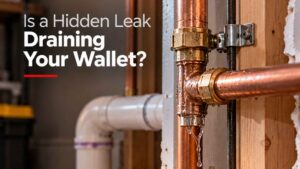
Is a Hidden Leak Draining Your Wallet? Signs Henderson Homeowners Shouldn’t Ignore

Not every plumbing leak announces itself with water pouring across the floor.

Some of the most expensive leaks are the ones you can’t see.

A small leak behind a wall, beneath a cabinet, under flooring, or somewhere in your plumbing system can continue for weeks or months before it becomes obvious. During that time, you may be paying for wasted water while moisture quietly damages materials around your home.

For homeowners in Henderson and the Las Vegas Valley, knowing the early warning signs of a hidden plumbing leak can help you catch a problem before it becomes a much larger repair.

Why Hidden Plumbing Leaks Are a Problem

A visible leak usually gets attention quickly. If water is spraying from a pipe or collecting underneath your kitchen sink, you know something needs to be fixed.

Hidden leaks are different.

Water may escape slowly enough that you don’t immediately notice it. Depending on where the leak occurs, the water can soak into drywall, cabinetry, flooring, insulation, or other building materials.

And because the leak is connected to your home’s water supply, you’re also paying for every gallon that escapes.

The sooner you identify the warning signs, the better.

1. Your Water Bill Suddenly Increases

One of the first signs of a hidden leak may not appear inside your home at all.

It may appear on your water bill.

If your water usage suddenly increases without an obvious explanation, something deserves a closer look.

Think about whether anything has changed recently. Are more people staying in the house? Have you dramatically increased outdoor watering? Did you fill a pool or use substantially more water than usual?

If your household habits haven’t changed but your water consumption has, a plumbing leak could be responsible.

2. You Hear Water When Nothing Is Running

Your house should generally be quiet when nobody is using water.

If you hear dripping, hissing, trickling, or the sound of water moving through pipes when all your fixtures are turned off, investigate.

Make sure toilets aren’t running, faucets are completely closed, and appliances such as the dishwasher and washing machine aren’t operating.

If you can still hear water moving, it may indicate a leak somewhere in the plumbing system.

3. Your Water Meter Keeps Moving

Your water meter can be a useful tool for detecting possible leaks.

Turn off faucets, appliances, irrigation, and anything else that uses water. Make sure nobody uses water during the test.

Then check your water meter.

If the meter continues registering water use when everything should be off, there’s a good chance water is moving somewhere in the system.

That doesn’t tell you exactly where the leak is located, but it gives you a strong reason to investigate further.

4. You Notice Discoloration on Walls or Ceilings

Water stains rarely appear for no reason.

Yellow, brown, or darker areas on drywall or ceilings can indicate moisture coming from plumbing above or behind the surface.

You might also notice paint beginning to bubble, peel, or discolor.

If the affected area is beneath a bathroom, kitchen, laundry room, or plumbing line, a hidden leak should be considered.

Don’t simply repaint the stain.

The source of the moisture needs to be identified first.

5. Flooring Begins to Change

Water underneath flooring can produce several symptoms.

Tile may loosen. Laminate can swell. Wood flooring may begin to warp or buckle. Carpet may feel damp even though nothing was spilled.

You may also notice an area of flooring that feels unusually warm.

Because many Southern Nevada homes are built on concrete slabs, plumbing problems beneath or around the slab can sometimes be more difficult to identify without professional leak-detection equipment.

Changes in your flooring shouldn’t automatically be assumed to be plumbing-related, but they’re worth investigating.

6. Cabinets Smell Musty or Feel Damp

Take a look underneath your kitchen and bathroom sinks occasionally.

These areas are easy to forget about because they’re usually filled with cleaning products, trash cans, and other household items.

Run your hand along the bottom of the cabinet and around the plumbing connections.

Look for moisture, staining, swollen wood, corrosion, or a musty odor.

A slow leak from a supply connection or drain can remain hidden behind everything stored under the sink.

7. Water Pressure Suddenly Drops

Low water pressure can have several causes, including fixture problems, mineral buildup, or issues with the municipal water supply.

But an unexpected pressure change can also indicate that water is escaping somewhere before it reaches your fixture.

If pressure drops throughout the house rather than at a single faucet or shower, it’s worth having the plumbing system evaluated.

8. You Notice Damp or Unusual Areas Outside

Not every hidden leak happens inside your house.

Underground water lines can also develop leaks.

Watch for unusually wet areas, unexplained puddles, soft ground, or sections of landscaping that suddenly appear much greener than everything around them.

In the Southern Nevada climate, an area that remains consistently wet without an obvious irrigation explanation deserves attention.

Why Small Leaks Can Become Expensive

The plumbing repair itself isn’t always the biggest expense associated with a leak.

The bigger concern can be what happens around the leak.

Water can damage drywall, cabinets, flooring, insulation, and other materials. A leak that would have been relatively straightforward to repair can become a much larger project if it continues unnoticed.

That’s why early detection matters.

Don’t Start Opening Walls Just Yet

If you suspect a hidden leak, resist the temptation to start cutting holes in drywall looking for it.

Professional plumbers have several ways to narrow down the source of a leak before unnecessary demolition begins.

The goal is to identify where the problem is occurring and determine the most appropriate repair.

If your water meter is moving, your bill is climbing, or you’re seeing signs of moisture, it’s time to investigate.

Think You Have a Hidden Leak in Henderson?

A mysterious increase in your water bill shouldn’t become your new normal.

If you suspect water is escaping somewhere inside or around your home, Pipe Pros Plumbing & Mechanical can help identify the source and determine what needs to be repaired.

We serve homeowners throughout Henderson and the Las Vegas Valley with professional plumbing diagnostics and repairs.

Don’t let a hidden leak keep draining your wallet. Call Pipe Pros and find out where your water is going.

Disclaimer: This article was created by Two Four Media for general informational purposes only and is not intended as professional plumbing advice. Plumbing systems and situations can vary. For questions about your specific plumbing needs, diagnosis, repairs, or service, please contact Pipe Pros directly.