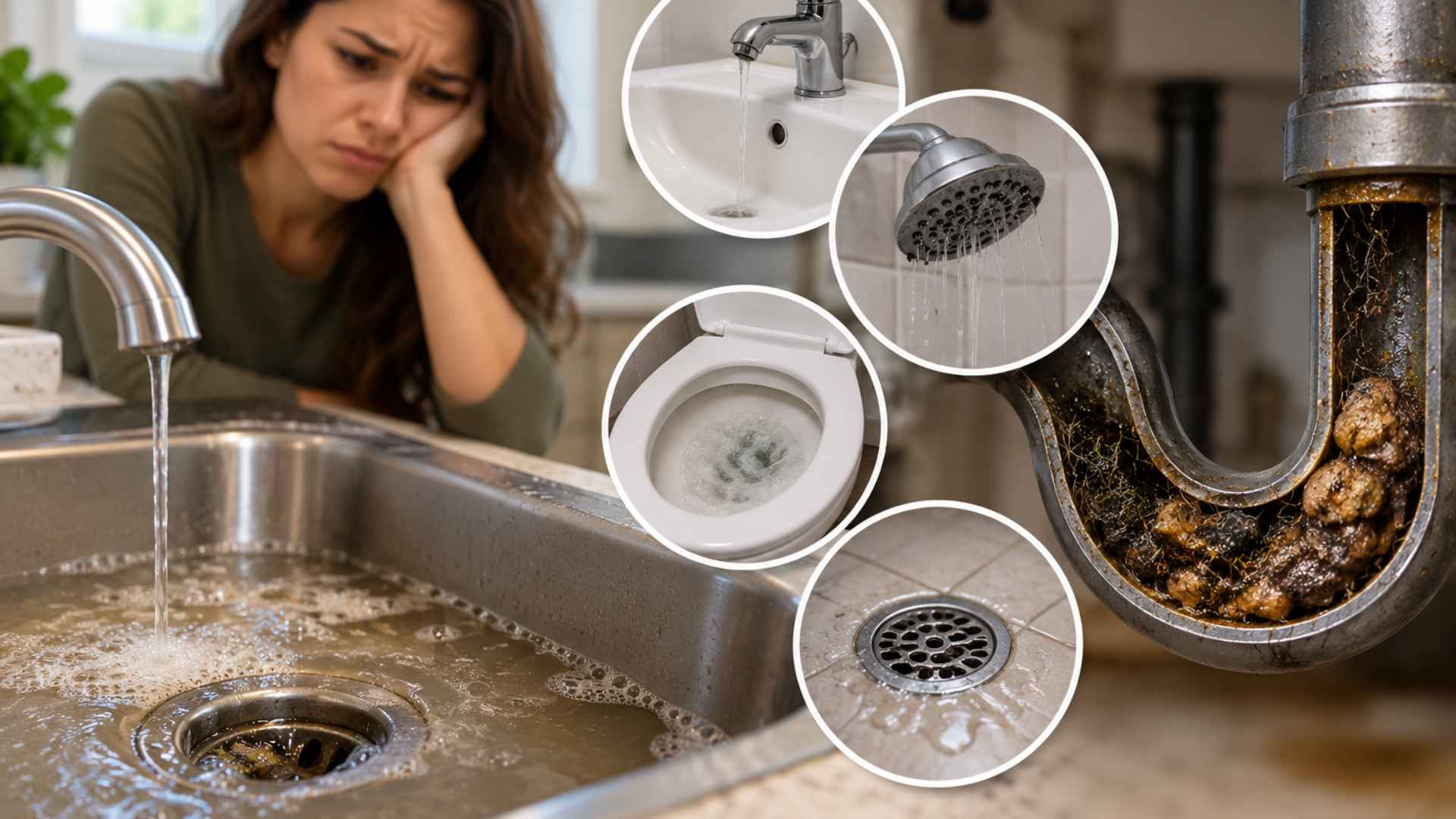
Check Us Out

Tag: Las Vegas Plumber

Why Is My Water Bill Suddenly So High in Las Vegas?
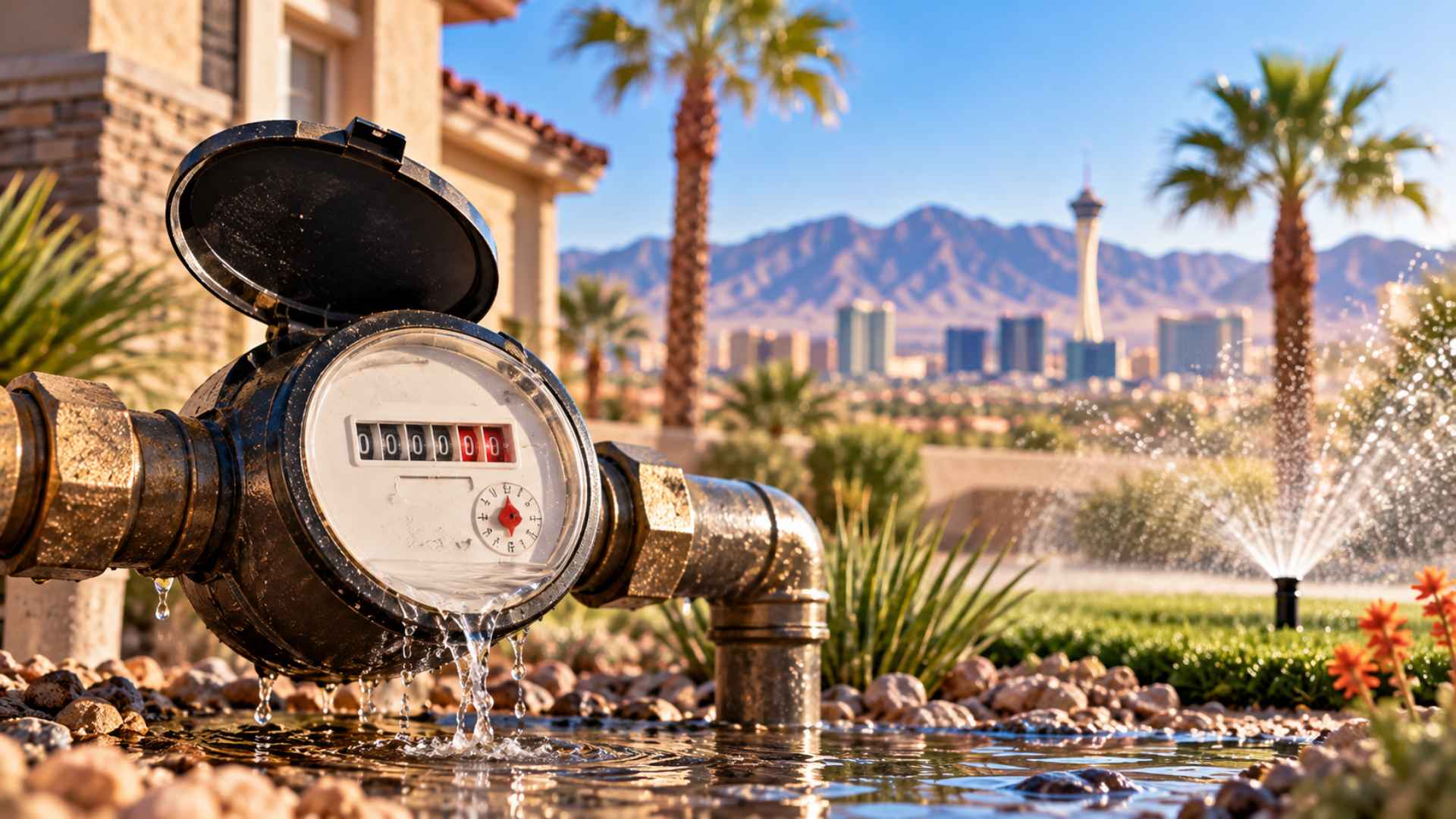
 

Opening your water bill and seeing a number that’s dramatically higher than usual can be a nasty surprise—especially when you don’t think your household is using any more water than normal.

For homeowners in Las Vegas and across Southern Nevada, a sudden increase in water usage can have several explanations. Sometimes it’s seasonal outdoor watering. Other times, a running toilet, irrigation problem, hidden plumbing leak, or even a leak beneath the home’s slab may be quietly using water around the clock.

If your Las Vegas water bill suddenly jumped, here are some of the first things worth investigating.

1. Start by Comparing Your Actual Water Usage

Before assuming you have a plumbing problem, compare your current water usage with previous billing periods.

The Las Vegas Valley Water District uses a tiered residential rate structure, meaning the amount charged per 1,000 gallons can increase as consumption rises. Some high-use households may also incur an excessive-use charge when consumption exceeds seasonal thresholds.

That means a significant increase in water consumption can sometimes have an even larger impact on the final bill.

Look at how many gallons you’re actually using rather than comparing only the dollar amount.

If your consumption has suddenly increased without an obvious explanation, it’s time to start looking for where that water is going.

2. A Running Toilet Can Waste Water Without Getting Much Attention

One of the first places to check is the toilet.

A toilet doesn’t have to be visibly overflowing to waste water. A worn flapper, malfunctioning fill valve, incorrect water level, or other internal problem can allow water to continuously move through the tank.

Because the toilet may otherwise appear to work normally, this can continue unnoticed.

Walk through your home and listen to each toilet. If you hear water running or a toilet periodically refilling when nobody has used it, it deserves a closer look.

This is particularly easy to overlook in guest bathrooms that aren’t used very often.

3. Check for Hidden Plumbing Leaks

Not every plumbing leak leaves a puddle on the floor.

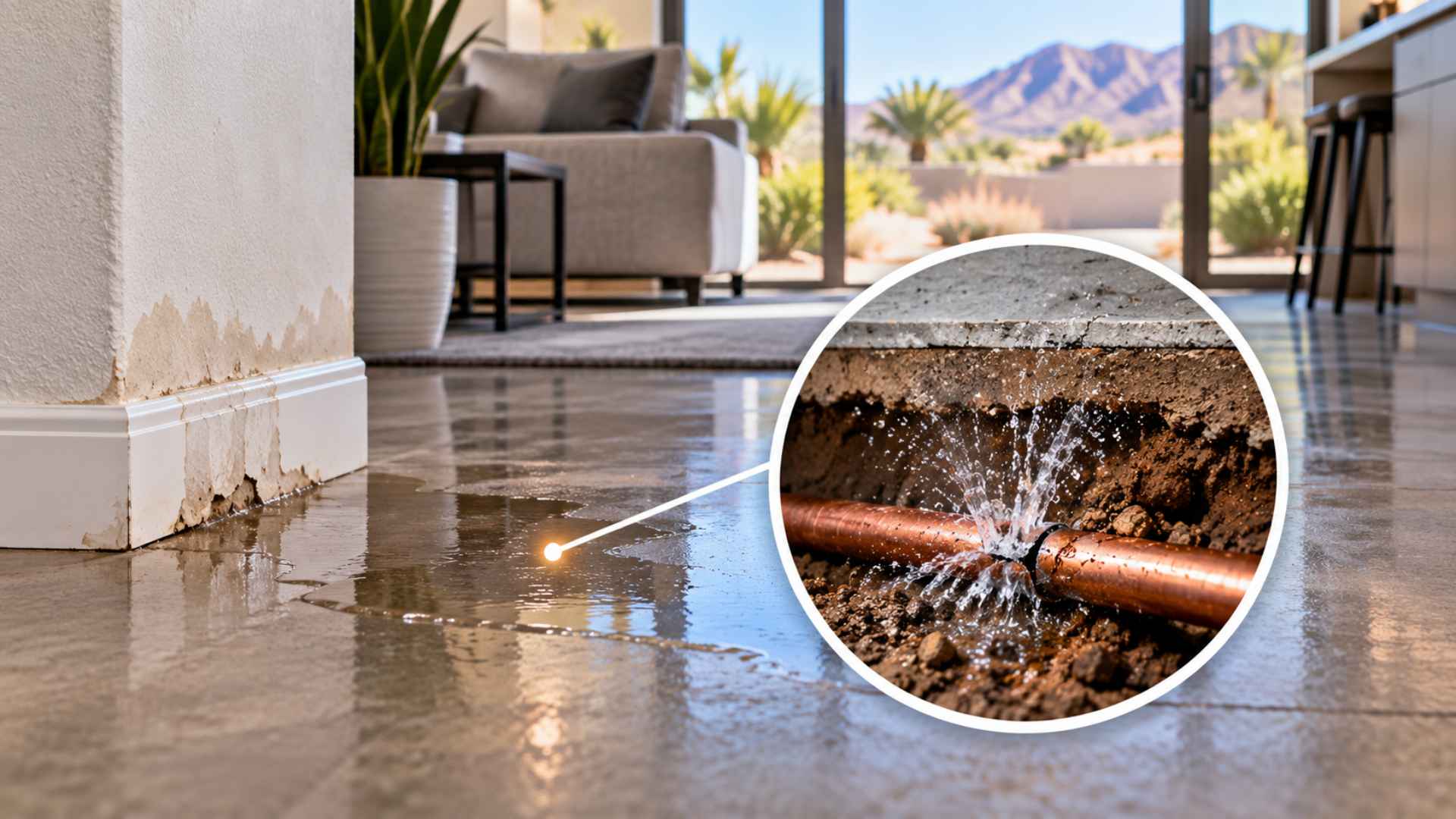
Water lines run through walls, ceilings, cabinets, and other concealed areas. Depending on the construction of the home, some plumbing may also run beneath the concrete slab.

Watch for warning signs such as:

* Damp or discolored drywall
* Moisture inside cabinets
* Warped baseboards or flooring
* Unexplained musty odors
* Sounds of running water
* Warm areas on the floor
* Unexplained drops in water pressure
* Water appearing where it shouldn’t

A hidden leak may continue using water 24 hours a day, which can add up quickly.

4. Don’t Forget About Slab Leaks

Many homes throughout the Las Vegas Valley are built on concrete slab foundations.

If a water line beneath the slab develops a leak, you may not immediately see water. Instead, the first clue could be an unusually high water bill.

Other potential warning signs can include warm flooring, unexplained moisture, sounds of running water, or changes in water pressure.

Whether you live in an established Las Vegas neighborhood or a newer community in Summerlin, Centennial Hills, Spring Valley, or the southwest valley, unexplained continuous water usage is worth investigating.

Finding the source of a hidden leak is much better than waiting for it to become visible.

5. Your Irrigation System Could Be the Culprit

In Las Vegas, some of the biggest water users are outside the house.

A broken irrigation line, leaking valve, damaged emitter, incorrectly programmed irrigation controller, or malfunctioning sprinkler system can use a surprising amount of water.

Because many irrigation systems operate early in the morning, homeowners may never actually see them running.

Walk around your property and look for:

* Unusually wet areas
* Water pooling near landscaping
* Broken sprinkler heads
* Dripping irrigation components
* Water running into the street
* Areas of unusually rapid plant growth
* Irrigation running when it shouldn’t

This is particularly important during the hotter months when outdoor water usage naturally increases.

6. Seasonal Watering Can Increase Las Vegas Water Bills

A higher bill doesn’t always mean something is broken.

Southern Nevada’s extreme summer temperatures can significantly change outdoor water demand. Landscaping that requires additional watering can push household consumption higher than it was during cooler months.

Swimming pools can also contribute through evaporation and automatic refill systems.

If your bill increases during summer, compare the current period with the same time last year rather than comparing July or August usage with winter consumption.

The important question is whether the increase makes sense for your household and property.

7. Check Your Pool and Automatic Fill System

If you have a swimming pool, don’t overlook it.

Las Vegas heat and low humidity contribute to evaporation, but unusually high water usage around a pool may indicate something beyond normal evaporation.

A pool leak or malfunctioning automatic fill valve can continuously add water without attracting much attention.

Homeowners in communities with a high concentration of backyard pools—such as Summerlin, Southern Highlands, Mountains Edge, and neighborhoods throughout the southwest Las Vegas Valley—should include the pool when investigating unexplained water consumption.

If the autofill seems to be running constantly, determine why.

8. Check Your Water Softener

Hard water is common throughout Southern Nevada, which means many Las Vegas homes use water softeners or other water-treatment equipment.

A malfunctioning water softener can potentially use more water than expected if it regenerates too frequently or develops another operational problem.

If you’ve noticed unusual water usage along with changes in the way your softener operates, have the system checked.

The same applies to other equipment connected to your home’s water supply.

9. Use Your Water Meter to Look for Continuous Usage

Your water meter can provide an important clue.

First, make sure nobody is using water. Turn off faucets, showers, washing machines, dishwashers, irrigation, and other water-using equipment.

Then check the meter.

If it continues registering water usage when everything should be off, water may be flowing somewhere on the property.

That doesn’t tell you exactly where the problem is, but it can help establish that there’s something worth investigating.

10. The Leak Could Be Between the Meter and Your House

There is another section of plumbing homeowners sometimes forget about: the water service line running from the meter toward the house.

A leak in an underground service line may not produce obvious indoor symptoms.

You might notice unusually damp soil, an unexplained wet area, or water usage on the meter even though everything inside the house is turned off.

In Southern Nevada’s dry climate, an area of consistently wet ground without an obvious irrigation source deserves attention.

Why Did My Water Bill Increase So Much From One Leak?

Small leaks can become expensive because they don’t take breaks.

A faucet you use for five minutes is consuming water for five minutes.

A hidden leak can potentially run 24 hours a day for weeks before the next water bill arrives.

That’s why even a leak that doesn’t appear dramatic can result in a noticeable increase in monthly consumption.

The Las Vegas Valley Water District also uses tiered pricing, so increased consumption may move some of that usage into higher-priced tiers.

Can the Las Vegas Valley Water District Alert Me About a Leak?

Depending on your water provider and meter, usage-monitoring tools may be available.

Las Vegas Valley Water District customers can monitor water usage through their online account. The district also uses advanced metering technology that can identify unusually high or continuous water usage and provide alerts when current contact information is available.

These tools can be useful because unusual consumption may appear before you see physical evidence of a leak.

What If a Leak Caused My High Water Bill?

Don’t throw the bill away after getting the leak repaired.

Las Vegas Valley Water District customers who experience unusually high bills because of qualifying leaks may be eligible for assistance or an adjustment after repairs are completed.

Keep documentation and paid invoices associated with the repair in case they’re needed.

Eligibility and programs can change, so homeowners should check directly with their water provider for current requirements.

When Should You Call a Plumber About a High Water Bill?

A higher bill caused by additional summer landscaping isn’t necessarily a plumbing emergency.

A sudden increase you can’t explain is different.

Consider calling a plumber if:

* Your water usage increased dramatically without a lifestyle change
* The meter shows usage when everything is turned off
* You hear running water when no fixtures are being used
* A toilet continuously runs or refills
* You notice unexplained moisture inside your home
* You suspect a slab or underground plumbing leak
* Water pressure has changed unexpectedly
* You can’t determine where the additional water is going

Finding the source early can help limit wasted water and potentially prevent additional damage.

High Water Bill in Las Vegas? Pipe Pros Can Help Find the Cause

Whether you’re in Summerlin, Spring Valley, Centennial Hills, Enterprise, Southern Highlands, Mountains Edge, or another neighborhood in the Las Vegas Valley, a water bill that suddenly jumps without explanation is worth investigating.

Pipe Pros can help homeowners identify plumbing problems that may be contributing to unexpected water usage, from running fixtures and hidden leaks to more difficult-to-find plumbing issues.

Instead of waiting for another expensive bill, find out where the water is going.

If your Las Vegas water bill suddenly increased and you suspect a plumbing leak, contact Pipe Pros for professional plumbing and leak detection services in Southern Nevada.


Disclaimer: This article was created by Two Four Media for general informational purposes only and is not intended as professional plumbing advice. Plumbing systems and situations can vary. For questions about your specific plumbing needs, diagnosis, repairs, or service, please contact Pipe Pros directly.

Why Does My Water Heater Make Popping or Rumbling Noises?

Your water heater probably isn’t completely silent. You may occasionally hear water moving, the burner operating, or the system cycling as it heats your water.

But loud popping, cracking, knocking, or rumbling sounds are different.

For homeowners in Las Vegas and throughout Southern Nevada, one of the most common things to consider when a traditional tank water heater starts making unusual noises is sediment and mineral buildup.

Our area’s very hard water can make water heater maintenance particularly important. Here’s what those noises may be telling you.

Why Is My Water Heater Making a Popping Noise?

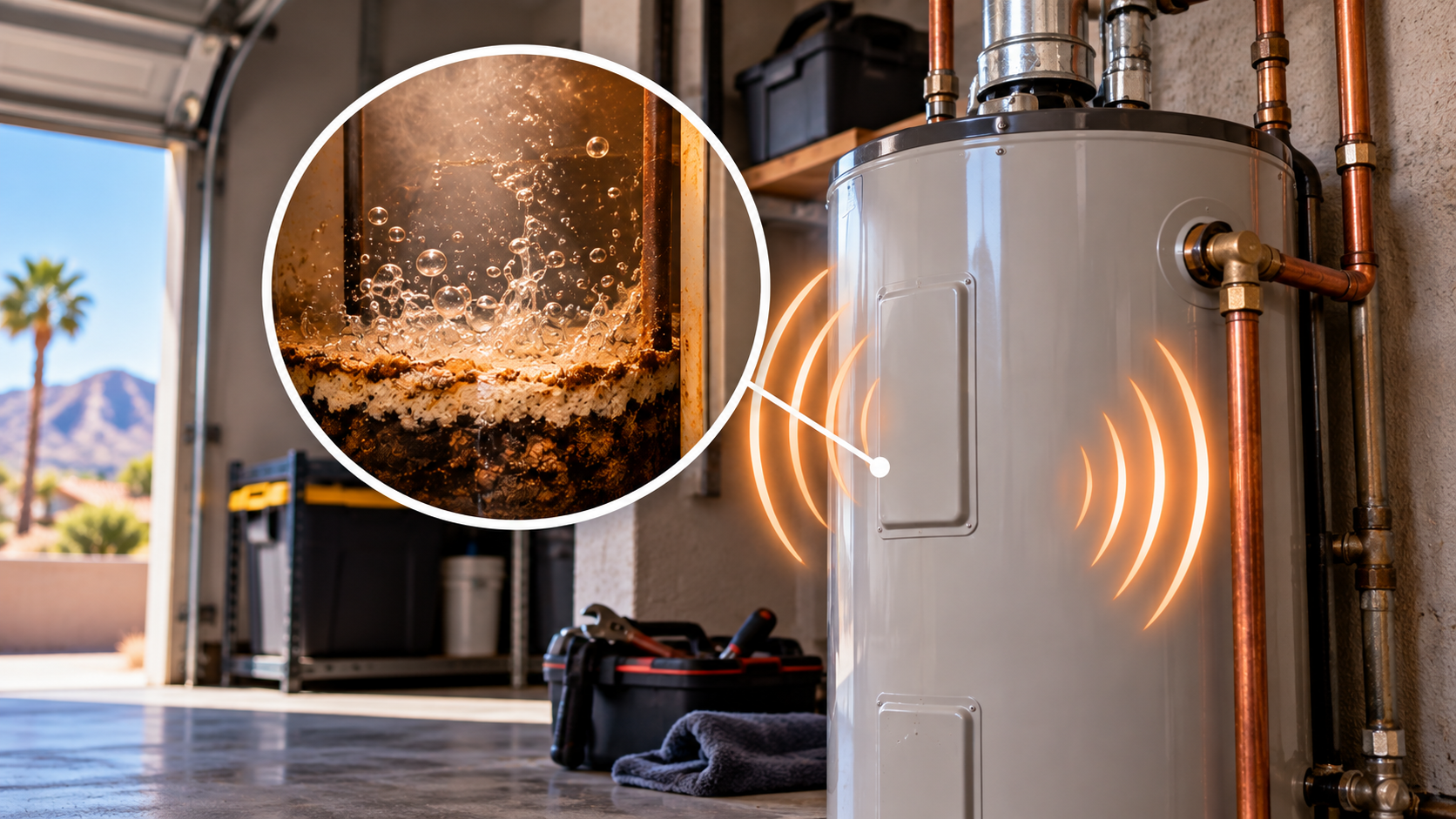
Popping or rumbling from a traditional tank-style water heater can occur when sediment accumulates at the bottom of the tank.

Every time your water heater fills, minerals and other material present in the water enter the tank with it. As the water is repeatedly heated, some of that material can settle toward the bottom.

Over time, a layer of sediment can develop.

Water can become trapped beneath or within that sediment. When the burner or heating element heats the tank, that trapped water heats and moves through the buildup.

The resulting bubbling and movement can create the popping, crackling, or rumbling sounds you hear from outside the tank.

Las Vegas Hard Water Can Make Sediment a Bigger Concern

If you’ve lived in Southern Nevada for long, you’ve probably seen evidence of our hard water.

That familiar white or chalky material around faucets, showerheads, and fixtures comes from minerals dissolved in the water.

Those minerals don’t only appear where you can see them.

A traditional water heater continuously processes the same mineral-rich water, which means deposits and sediment can accumulate inside the tank over time.

The amount of buildup will vary based on the home’s water, maintenance history, water treatment, usage, and age of the water heater.

That’s one reason routine water heater maintenance can be especially useful in Las Vegas and Henderson.

Is a Rumbling Water Heater Dangerous?

A noisy water heater doesn’t automatically mean it’s about to fail.

However, persistent or increasingly loud noises shouldn’t simply be ignored.

Heavy sediment buildup can make the water heater work harder to heat the water effectively. Depending on the condition and age of the unit, unusual noises may also be one indication that the heater deserves inspection or maintenance.

The sound itself isn’t enough to diagnose the condition of the water heater.

A relatively new unit with sediment buildup is a different situation from an older tank showing corrosion, leaking water, and other signs of deterioration.

Looking at the entire condition of the system matters.

Other Water Heater Sounds to Pay Attention To

Not every strange water heater sound is caused by sediment.

Different noises can potentially point toward different parts of the system.

Popping or Crackling

Sediment or mineral buildup inside a tank is one possible cause, particularly when the sound occurs while the water is heating.

Rumbling

A deeper rumbling sound can also be associated with sediment moving around at the bottom of a tank during heating.

Hissing

A hissing sound can have several potential causes depending on whether the water heater is gas or electric and where the sound originates.

Banging or Knocking

Not every banging sound actually originates inside the water heater. Plumbing pipes can also make noise as water flow changes.

Dripping or Sizzling

If you hear dripping or sizzling around a water heater, look for signs of moisture. Water contacting a hot component can create unusual sounds and may indicate a leak that needs attention.

Because several problems can produce similar noises, identifying exactly where the sound is coming from is important.

Can Flushing a Water Heater Help?

Flushing a traditional tank water heater is intended to remove accumulated sediment from the bottom of the tank.

For a water heater that is otherwise in good condition, routine flushing can be an important part of maintenance—particularly in an area with hard water like Southern Nevada.

However, the condition and maintenance history of the water heater matter.

An older tank that hasn’t been maintained for years isn’t necessarily the same situation as a newer unit receiving routine service. If you’re unsure about the condition of your water heater, having it inspected before deciding what maintenance it needs is a sensible approach.

How Often Should a Water Heater Be Flushed in Las Vegas?

There isn’t one maintenance interval that’s right for every home.

Southern Nevada’s hard water can cause sediment to accumulate faster than homeowners may expect, so water heaters here may benefit from more frequent attention than units operating with softer water.

Pipe Pros generally recommends having a traditional tank water heater flushed about every six months in Southern Nevada.

For homes with a properly operating, high-performing water softener, that interval may sometimes be extended to approximately 12 months depending on the condition of the system and water heater.

The age of the unit, household water usage, water quality, and previous maintenance should all be considered.

Don’t Forget About the Anode Rod

Sediment isn’t the only maintenance consideration inside a traditional water heater.

The anode rod is designed to help protect the steel tank against corrosion. It does this by deteriorating over time so the tank itself doesn’t corrode as quickly.

Eventually, an anode rod can become depleted.

Having the anode rod inspected and replacing it when appropriate can be an important part of maximizing the useful life of a traditional tank water heater.

This is particularly worth discussing if you’re already having the unit inspected because of noises or sediment concerns.

When Is Noise a Sign That Your Water Heater May Need More Than Maintenance?

Age and overall condition matter.

If your water heater is making unusual noises and you also notice other problems, it may be time for a more thorough evaluation.

Watch for:

* Rust or visible corrosion
* Water around the tank
* Reduced hot-water capacity
* Inconsistent water temperatures
* Discolored hot water
* Repeated problems despite maintenance
* A tank approaching or beyond its expected service life

At some point, continuing to repair an aging tank may make less sense than replacing it.

A professional inspection can help determine which situation you’re dealing with.

Should You Ignore a Popping Water Heater If It Still Works?

Probably not.

The fact that you’re still getting hot water doesn’t necessarily mean everything inside the tank is in ideal condition.

Think of the noise as information.

If your water heater suddenly starts making sounds it didn’t make before—or those sounds are becoming louder or more frequent—it’s worth figuring out why.

Sometimes maintenance may be all that’s needed. In other cases, the noise may be one of several signs that the unit is aging or developing a problem.

Is Your Water Heater Making Noise in Las Vegas?

If your water heater is popping, rumbling, knocking, or making sounds you haven’t heard before, Pipe Pros can help determine what’s causing it.

Pipe Pros serves homeowners throughout Las Vegas and Southern Nevada with professional water heater and plumbing services. Whether your tank needs routine maintenance, further diagnosis, or it’s time to discuss replacement, understanding the condition of the system is the place to start.

Water heater making strange noises? Contact Pipe Pros for professional water heater service in Las Vegas and Southern Nevada.


Disclaimer: This article was created by Two Four Media for general informational purposes only and is not intended as professional plumbing advice. Plumbing systems and situations can vary. For questions about your specific plumbing needs, diagnosis, repairs, or service, please contact Pipe Pros directly.

Slab Leak Warning Signs Southern Nevada Homeowners Shouldn’t Ignore

A plumbing leak under your home is easy to miss. Unlike a dripping faucet or leaking pipe beneath a sink, a slab leak can develop underneath the concrete foundation with very few obvious signs at first.

That can make early detection especially important.

Many homes throughout Las Vegas, Henderson, and Southern Nevada are built on concrete slab foundations, with portions of the plumbing running beneath or through the slab. If one of those water lines develops a leak, water can escape beneath the home before you ever see it.

Fortunately, slab leaks often leave clues. Here are some warning signs Southern Nevada homeowners should know.

What Is a Slab Leak?

A slab leak is generally a leak in a water line located beneath a home’s concrete foundation.

These leaks can develop for several reasons, including pipe deterioration, corrosion, movement, installation issues, or damage that develops over time.

Because the leaking pipe isn’t readily visible, determining exactly where the problem is located may require professional leak detection rather than simply looking for water.

1. An Unexplained Increase in Your Water Bill

One of the first signs of a hidden plumbing leak may show up on your monthly water bill.

If your household’s water use hasn’t changed but your bill suddenly increases, water may be escaping somewhere in the plumbing system.

A higher bill doesn’t automatically mean you have a slab leak. Running toilets, irrigation problems, dripping fixtures, and other leaks can also increase water consumption.

But an unexplained increase—especially when combined with other warning signs—is worth investigating.

2. You Hear Running Water When Everything Is Turned Off

Your home should generally be quiet when nobody is using water.

If you hear water running, hissing, or flowing when faucets, showers, toilets, appliances, and irrigation are all off, there may be a leak somewhere in the system.

With a slab leak, the sound can sometimes appear to come from the floor or inside a wall near the foundation.

Don’t assume an unexplained sound of running water is normal.

3. Warm or Hot Spots on the Floor

This is one of the more distinctive potential signs of a leak involving a hot-water line.

If hot water is escaping beneath the slab, it may warm the concrete and flooring above it.

You might notice that one area of tile, laminate, or another flooring surface feels noticeably warmer than the surrounding floor.

A warm spot doesn’t prove there’s a slab leak, but an unexplained hot area—particularly when combined with increased water usage or other plumbing symptoms—deserves attention.

4. Damp Flooring or Unexplained Moisture

Water from beneath the slab can eventually find its way into areas where it becomes visible.

Depending on the location and severity of the leak, you may notice:

* Damp carpet
* Moisture along baseboards
* Discoloration in flooring
* Warped or lifting flooring
* Water appearing without an obvious source
* Dampness near an interior wall

In Southern Nevada’s dry climate, unexplained indoor moisture can be particularly noticeable.

If you repeatedly dry an area only for the moisture to return, there may be a hidden source.

5. Your Water Meter Keeps Moving

Your water meter can provide another clue that water is being used somewhere on the property.

Turn off faucets and water-using appliances and make sure nobody is using water inside or outside the home.

If the meter continues indicating water usage, there may be a leak somewhere in the system.

This doesn’t tell you where the leak is located, but it can help establish that water may be escaping when it shouldn’t be.

6. Water Pressure Has Suddenly Dropped

A significant leak can affect the amount of water reaching your fixtures.

If you’ve noticed a sudden or unexplained drop in water pressure throughout your home, a plumbing leak is one possible cause.

There are several other reasons for low water pressure, including pressure-regulator problems, partially closed valves, mineral buildup, or water-supply issues.

But when low pressure occurs alongside a higher water bill, sounds of running water, or unexplained moisture, it’s worth having the plumbing checked.

7. Cracks, Flooring Changes, or Baseboard Damage

Water moving beneath or around a home’s slab can sometimes contribute to visible changes inside the house.

You may notice flooring beginning to lift, baseboards becoming damaged, or cracks that weren’t previously present.

Not every crack is caused by plumbing. Homes and concrete foundations can develop cracks for many reasons.

The important thing is to look at the complete picture. New physical changes combined with signs of unexplained water can point toward a plumbing issue that needs further investigation.

8. Musty or Unusual Odors

Southern Nevada may be dry outside, but moisture trapped beneath flooring or inside building materials can create conditions for musty odors.

If an area of your home suddenly smells damp or musty and you can’t identify an obvious source, hidden moisture may be present.

Simply covering the smell doesn’t address whatever is causing it.

Finding the moisture source is the important part.

Why Do Slab Leaks Happen?

There isn’t one single cause.

Depending on the home and plumbing system, leaks beneath a slab may be associated with aging or deteriorating pipes, corrosion, movement, abrasion, water conditions, installation problems, or other damage.

That’s why properly diagnosing the location and cause matters.

Finding evidence that water is leaking is only the first step. The next is determining where it’s coming from and the appropriate way to repair it.

Can You Find a Slab Leak Without Tearing Up the Floor?

Homeowners sometimes imagine that finding an underground leak means immediately tearing into floors throughout the house.

That’s not necessarily the case.

Professional leak detection can help narrow down the location of a hidden plumbing leak before decisions are made about accessing or repairing the affected line.

The appropriate method depends on the plumbing system, location of the leak, construction of the home, and other factors.

This is one reason professional diagnosis is valuable when a slab leak is suspected.

Don’t Ignore a Possible Slab Leak

A hidden water leak generally doesn’t improve on its own.

Even if the symptoms initially seem minor, continuing water loss can increase utility costs and potentially contribute to damage around the affected area.

Pay particular attention when several warning signs occur together.

For example, a higher water bill by itself could have many explanations. But a higher bill combined with a warm floor, sounds of running water, and a meter showing continued usage is much more reason to investigate.

When Should You Call a Plumber?

Consider having your plumbing checked if you notice:

* An unexplained increase in water usage
* Running-water sounds when fixtures are off
* Warm or hot areas on the floor
* Damp flooring or baseboards
* Unexplained indoor moisture
* A water meter indicating continued usage
* Sudden changes in water pressure
* Several slab-leak warning signs occurring together

The sooner the source is identified, the sooner you can determine what needs to be done.

Think You May Have a Slab Leak in Las Vegas?

If you’re noticing signs of a possible hidden plumbing leak, Pipe Pros can help determine what’s happening.

Pipe Pros serves homeowners throughout Las Vegas and Southern Nevada with professional plumbing and leak-detection services. Rather than guessing where water may be coming from, the goal is to identify the source and determine the appropriate next step for your home.

Concerned about a possible slab leak? Contact Pipe Pros for professional plumbing service in Las Vegas and Southern Nevada.


Disclaimer: This article was created by Two Four Media for general informational purposes only and is not intended as professional plumbing advice. Plumbing systems and situations can vary. For questions about your specific plumbing needs, diagnosis, repairs, or service, please contact Pipe Pros directly.
Why Is My Water Pressure Suddenly Low in Las Vegas?

You turn on the shower and suddenly the water pressure isn’t what it used to be. Maybe the kitchen faucet seems weak, the shower slows to a trickle when another fixture is running, or the entire house feels like it has lost water pressure.

Low water pressure can be a minor issue with a single faucet or a sign of a larger plumbing problem. For homeowners in Las Vegas, Henderson, and throughout Southern Nevada, mineral buildup from our hard water can also contribute to restricted water flow over time.

The first step is figuring out whether the problem is happening at one fixture or throughout the entire home.

Is the Low Water Pressure at One Fixture or Throughout the House?

This is one of the easiest ways to narrow down the problem.

If only one faucet or shower has low pressure, the issue is probably located at or near that fixture.

If water pressure has dropped throughout the entire house, the cause could involve the home’s main water supply, pressure regulator, plumbing system, or even a leak.

Try several fixtures around your home, using both hot and cold water. That can give you a better idea of how widespread the problem is.

1. A Faucet Aerator or Showerhead May Be Clogged

If the problem is limited to one faucet or shower, start with the fixture itself.

Las Vegas Valley water contains dissolved minerals that can leave the familiar white, chalky buildup you see around faucets and showerheads. Over time, those deposits can also restrict the small openings that water passes through.

A clogged faucet aerator or showerhead can make it seem like your home has lost water pressure even when the plumbing system itself is operating normally.

If one fixture has noticeably less flow than the others, mineral buildup is one of the first things worth checking.

2. Southern Nevada’s Hard Water Can Contribute to Buildup

Hard water is a fact of life in Las Vegas.

The minerals in our water can accumulate on fixtures and inside portions of a plumbing system over time. The amount of buildup and its effect on water flow will depend on the home’s plumbing, age, water treatment, and other factors.

This is especially worth considering when water pressure has gradually declined rather than dropping suddenly.

If you’re seeing significant mineral deposits around faucets and showerheads while also noticing reduced water flow, the two may be related.

3. Your Pressure Regulator Could Be the Problem

Many homes use a pressure-reducing valve, commonly called a pressure regulator, to control the pressure of water entering the house.

If that regulator begins to malfunction, you may notice a significant change in water pressure throughout the home.

Pressure regulator problems aren’t always limited to low pressure. A failing regulator can potentially result in pressure that is too low, too high, or inconsistent.

Because excessive water pressure can put unnecessary stress on plumbing fixtures and components, this isn’t something you want to solve simply by adjusting things until the shower feels stronger.

A plumber can measure the home’s actual water pressure and determine whether the regulator is operating correctly.

4. A Partially Closed Valve Can Restrict Water Flow

Sometimes the explanation is surprisingly simple.

Your home’s water supply has shutoff valves that control water flow. If a main valve isn’t completely open, it can restrict the amount of water reaching fixtures throughout the house.

This may happen after plumbing repairs, maintenance, or other work involving the home’s water supply.

If your water pressure suddenly changed immediately after plumbing work, a valve position may be worth checking.

5. Low Water Pressure Can Be a Sign of a Leak

A plumbing leak can reduce the amount of water reaching your fixtures.

Some leaks are obvious. Others can occur behind walls, beneath floors, underground, or in areas that aren’t easily visible.

Low water pressure alone doesn’t necessarily mean you have a leak, but pay attention if it occurs along with other warning signs, including:

* An unexplained increase in your water bill
* Damp or discolored walls or ceilings
* Water pooling where it shouldn’t
* The sound of running water when fixtures are off
* Unexplained wet areas outside
* A water meter that continues moving when no water is being used

If you suspect a leak, having the problem investigated quickly can help prevent additional water damage.

6. Is the Problem Only With Hot Water?

There’s another useful test you can perform.

Does the low pressure affect both hot and cold water, or only the hot side?

If cold-water pressure seems normal but hot-water flow has dropped throughout the house, the issue may be related to the water heater or hot-water plumbing rather than the home’s entire water supply.

This distinction can help narrow down where the problem is occurring.

7. Your Neighborhood Could Be Experiencing a Temporary Water-Supply Issue

Not every water-pressure problem originates inside your house.

Utility work, maintenance, a water-main issue, or other temporary conditions can sometimes affect water pressure in an area.

If your pressure dropped suddenly, especially without any other signs of a plumbing problem, it can be worth determining whether neighboring homes are experiencing the same thing.

If your neighbors have normal pressure and yours remains low, the problem is more likely specific to your property.

Why Does My Water Pressure Drop When Someone Else Uses Water?

A small change in flow when several fixtures are operating can be normal.

A dramatic drop is different.

If taking a shower becomes difficult whenever someone runs the washing machine, flushes a toilet, or turns on another faucet, your plumbing system may not be delivering enough flow when demand increases.

Possible causes can include restrictions, valves, pressure-regulation problems, buildup, or issues with the home’s plumbing.

A plumber can test the system rather than guessing which component is responsible.

Should You Increase Your Home’s Water Pressure Yourself?

Be careful here.

More pressure isn’t automatically better.

Water pressure that is too high can place additional stress on faucets, supply lines, appliances, valves, and other plumbing components. If your home suddenly has low pressure, it’s better to identify the cause than simply try to increase it.

Knowing the actual water pressure coming into the home is an important part of diagnosing the problem.

When Should You Call a Plumber for Low Water Pressure?

A clogged showerhead or faucet aerator may be something you can address yourself.

It’s time to investigate further when the problem is more widespread or keeps returning.

Consider calling a plumber if:

* Water pressure is low throughout the house
* The pressure dropped suddenly without an obvious reason
* Hot-water pressure is significantly lower than cold
* Pressure changes dramatically when multiple fixtures are used
* You suspect a pressure regulator problem
* You notice signs of a possible water leak
* Cleaning the affected fixture doesn’t solve the problem
* Water pressure continues getting worse

Finding the cause is especially important if the change happened suddenly.

Low Water Pressure in Your Las Vegas Home?

If your shower doesn’t have the pressure it used to or water flow throughout your home has noticeably changed, Pipe Pros can help determine what’s causing the problem.

Pipe Pros serves homeowners throughout Las Vegas and Southern Nevada with professional plumbing services. Whether the problem is isolated to a fixture or involves the home’s larger plumbing system, identifying the cause is the first step toward fixing it correctly.

Experiencing low water pressure? Contact Pipe Pros to schedule plumbing service in Las Vegas and Southern Nevada.


Disclaimer: This article was created by Two Four Media for general informational purposes only and is not intended as professional plumbing advice. Plumbing systems and situations can vary. For questions about your specific plumbing needs, diagnosis, repairs, or service, please contact Pipe Pros directly.

Why Does My Las Vegas Home Keep Getting Clogged Drains?

A clogged drain every once in a while is a normal plumbing problem. But if you’re constantly reaching for the plunger, dealing with slow drains, or having the same drain back up again a few weeks after clearing it, there may be a bigger issue somewhere in your plumbing system.

For homeowners in Las Vegas and across Southern Nevada, recurring drain problems can come from everything from everyday buildup to problems deeper inside the home’s drain or sewer lines.

Here are some of the most common reasons drains keep clogging—and when it may be time to have a plumber take a closer look.

1. Buildup Inside Your Drain Lines

Most clogged drains don’t happen overnight. Material slowly collects along the inside of the pipe until there isn’t enough room for water to flow normally.

In kitchen drains, common culprits include:

* Grease and cooking oils
* Food particles
* Soap and detergent residue

Bathroom drains often collect:

* Hair
* Soap scum
* Toothpaste
* Shaving products
* Skin and cosmetic products

You may clear enough of the blockage to get the water moving again without actually removing all of the buildup. That’s one reason the same drain can become clogged repeatedly.

2. You May Have a Problem Deeper in the Drain Line

When one sink drains slowly, the problem is usually somewhere near that fixture.

When several drains throughout the house are slow or backing up at the same time, however, the problem may be farther down the plumbing system.

Pay attention if you notice:

* Multiple slow drains
* Toilets bubbling or gurgling
* Water backing up into a tub or shower
* Strange sounds after flushing a toilet
* Sewage odors coming from drains
* Problems that return shortly after a drain has been cleared

These can indicate a blockage in a larger drain or sewer line rather than an isolated clogged sink.

3. What Goes Down the Drain Matters

Many recurring clogs are caused by things that shouldn’t be going into the plumbing system in the first place.

Kitchen grease is one of the biggest offenders. Hot grease may pour easily down the drain, but it can cool and stick to the inside of the pipes. Other material then attaches to it, gradually restricting the line.

Toilets can also become clogged when items other than toilet paper and human waste are flushed. Wipes, paper towels, hygiene products and other materials may not break down the way toilet paper does.

Even products marketed as “flushable” can contribute to plumbing problems.

4. The Age and Condition of Your Plumbing Can Play a Role

Las Vegas has experienced decades of rapid growth, but Southern Nevada also has plenty of established neighborhoods with older plumbing systems.

Over time, drain lines can develop problems that make recurring clogs more likely. Depending on the type and age of the plumbing, these can include deterioration, corrosion, shifting pipes or damaged sections of line.

If you live in an older home in Las Vegas, Henderson or another established Southern Nevada neighborhood and are repeatedly clearing the same drains, the condition of the plumbing itself may be worth investigating.

5. Tree Roots Can Cause Sewer-Line Problems

Trees and landscaping can create another problem underground.

Roots naturally seek moisture and can enter sewer lines through small cracks, joints or damaged areas. Once inside, they can continue growing and catch debris moving through the pipe.

The result may begin as an occasional slow drain and eventually become repeated backups or a more serious sewer-line blockage.

Clearing the immediate obstruction may restore flow temporarily, but it won’t necessarily solve the underlying problem if roots or pipe damage remain.

6. The Clog May Never Have Been Completely Removed

A drain working again doesn’t always mean the problem is gone.

Basic plunging or other temporary measures may create a small opening through a blockage while leaving material attached to the pipe. Water begins flowing again, so the problem appears solved—until more debris accumulates.

If a drain repeatedly clogs in the same location, professional drain cleaning can help determine whether there is a more substantial obstruction that needs to be addressed.

Should I Use Chemical Drain Cleaner?

It can be tempting to grab a bottle of chemical drain cleaner when water stops moving, but repeatedly pouring harsh chemicals into your plumbing isn’t a good long-term strategy.

Chemical products may not completely remove the material causing the blockage, particularly when the problem is deeper in the plumbing system. Depending on the plumbing and product being used, repeated chemical treatments can also be hard on pipes.

If you’re dealing with a recurring clog, identifying why it keeps happening is usually more useful than repeatedly treating the symptom.

When Should You Call a Plumber for a Clogged Drain?

A simple clog that clears and doesn’t return may not require professional attention.

Recurring problems are different.

Consider having your plumbing checked if:

* The same drain keeps clogging
* Several drains are running slowly
* You hear frequent bubbling or gurgling
* Water backs up into another fixture
* You notice sewer odors
* Plunging only fixes the problem temporarily
* You suspect a main drain or sewer-line issue

A plumber can determine whether you’re dealing with a localized blockage or something farther down the system.

Dealing With Recurring Clogged Drains in Las Vegas?

If your drains keep backing up, don’t keep treating the same problem over and over.

Pipe Pros can help diagnose clogged and slow drains and determine what’s causing the problem. We serve homeowners throughout Las Vegas and Southern Nevada with professional plumbing and drain services.

Whether you’re dealing with a stubborn kitchen sink, a slow shower drain or signs of a larger drain-line problem, the Pipe Pros team can help get things flowing again—and help determine why the problem keeps coming back.

Need help with a clogged or slow drain? Contact Pipe Pros to schedule plumbing service in Las Vegas and Southern Nevada.


Disclaimer: This article was created by Two Four Media for general informational purposes only and is not intended as professional plumbing advice. Plumbing systems and situations can vary. For questions about your specific plumbing needs, diagnosis, repairs, or service, please contact Pipe Pros directly.


Tank vs. Tankless Water Heaters: Which Is Right for Your Las Vegas Home?


If your water heater is nearing the end of its life, one of the first questions you’ll face is whether to replace it with another traditional tank water heater or upgrade to a tankless system.

There’s no universal “best” option. The right choice depends on your family’s hot water usage, your budget, how long you plan to stay in your home, and something many national articles overlook—Southern Nevada’s extremely hard water. That can affect the lifespan and maintenance needs of either system.

At Pipe Pros Plumbing & Mechanical, we help homeowners throughout Las Vegas make this decision every day. Here’s what you should know before investing in a new water heater.


How Traditional Tank Water Heaters Work


A traditional water heater stores 40 to 50 gallons of hot water in a tank and keeps it heated throughout the day so it’s ready whenever you turn on the faucet.

Advantages

• Lower upfront cost

• Simpler installation

• Reliable technology

• Great choice for many homes

Considerations

• Limited hot water supply

• Uses energy keeping water hot even when you’re not using it

• Typically has a shorter lifespan than a tankless unit

For many homeowners, replacing an existing tank with another tank is still the most cost-effective solution.


How Tankless Water Heaters Work


A tankless water heater heats water only when you need it. Instead of storing hot water, it rapidly heats water as it flows through the unit.

Advantages

• Endless hot water

• Higher energy efficiency

• Compact wall-mounted design

• Longer expected lifespan with proper maintenance

Considerations

• Higher installation cost

• May require gas line or venting upgrades

• Requires periodic descaling, especially in areas with hard water like Las Vegas

Las Vegas Hard Water Changes the Equation

One thing that separates Southern Nevada from many other parts of the country is our hard water.

Minerals naturally found in our water create scale buildup inside both traditional and tankless water heaters. Tank water heaters collect sediment in the bottom of the tank, while tankless systems can develop mineral buildup inside the heat exchanger if they aren’t maintained. Regular flushing or descaling helps extend the life of either system.


Which Water Heater Is Right for Your Home?


A traditional tank may be the better choice if:

• You’re looking for the lowest upfront investment.

• You’re replacing an existing tank system.

• Your household has fairly predictable hot water needs.

• You want a straightforward replacement.

A tankless system may be a better fit if:

• You regularly run out of hot water.

• Your family uses multiple showers or appliances at the same time.

• You plan to stay in your home for many years.

• You want improved energy efficiency and are comfortable with periodic maintenance.

Neither option is automatically better. It’s about choosing the system that fits your home and your priorities.

Frequently Asked Questions

Is a tankless water heater worth the extra cost?

For many homeowners, yes. Tankless systems cost more upfront but can offer lower energy use, a longer service life, and continuous hot water. Whether the investment makes sense depends on your home’s setup and how long you plan to stay there.

Do tankless water heaters work well in Las Vegas?

Yes. They perform well here but should be maintained regularly because our hard water can create mineral buildup inside the heat exchanger.

How long does a traditional water heater last?

Most traditional tank water heaters last around 8 to 12 years, depending on maintenance and local water quality. Tankless units often last 15 to 20 years when properly maintained.

Do tankless water heaters provide instant hot water?

Not exactly. They provide continuous hot water, but you may still wait for hot water to travel through your home’s plumbing.


Final Thoughts

Whether you’re replacing a failing water heater or planning an upgrade, choosing between a traditional tank and a tankless system is an important decision.

Every home is different. The number of people in your household, your hot water usage, your budget, and your home’s plumbing all play a role. If you’re unsure which option makes the most sense, Pipe Pros Plumbing & Mechanical can evaluate your current system and help you choose the solution that’s right for your home.


Two Four Media Disclaimer

Disclaimer: This article was created by Two Four Media for  Pipe Pros Plumbing & Mechanical. While we strive to provide accurate and helpful information, every plumbing system is different. For recommendations specific to your home, schedule an inspection with Pipe Pros Plumbing & Mechanical.

Do You Need a Water Softener in Las Vegas?

If you live in Las Vegas, you’ve probably seen the signs of hard water even if you didn’t realize what was causing them. White buildup around faucets, cloudy shower doors, spots on dishes, stiff laundry, and mineral deposits around plumbing fixtures are all common throughout Southern Nevada.

That’s because Las Vegas has particularly hard water. While hard water is generally safe to use, the high concentration of dissolved minerals can create problems throughout your home.

A water softener can help reduce those problems, but is installing one actually worth it for Las Vegas homeowners?

For many homes, the answer is yes.

Why Is Las Vegas Water So Hard?

Most of the Las Vegas Valley’s drinking water originates from Lake Mead and the Colorado River.

As water travels through the Colorado River system and comes into contact with mineral-rich rock and soil, it picks up naturally occurring minerals, particularly calcium and magnesium.

These dissolved minerals are responsible for what we call water hardness.

Las Vegas water commonly falls into the very hard or extremely hard range. That means every time water moves through your plumbing system, those minerals travel with it.

When the water evaporates or is heated, minerals can remain behind as scale and sediment.

Over months and years, that buildup becomes increasingly noticeable.

What Does a Water Softener Actually Do?

A traditional water softener is designed to reduce the calcium and magnesium responsible for hard water.

Most residential systems accomplish this through a process called ion exchange.

Water passes through a tank containing resin beads that attract hardness minerals. Calcium and magnesium are exchanged for sodium or potassium ions before the softened water continues into the home’s plumbing system.

The result is water containing significantly fewer hardness minerals.

The system periodically regenerates using a brine solution to clean the resin so it can continue removing minerals from incoming water.

7 Signs Your Las Vegas Home Could Benefit From Soft Water

Hard water affects different homes in different ways, but there are several common signs that mineral buildup may be causing problems.

  1. White Buildup Around Faucets

That chalky white material around faucets and fixtures isn’t dirt.

It’s usually mineral scale left behind when hard water evaporates.

You may clean it away only to see it return a few days later.

  1. Spots on Dishes and Glassware

If glasses come out of the dishwasher covered in cloudy spots, hard water may be responsible.

Water evaporates during the drying process while dissolved minerals remain on the surface.

  1. Cloudy Shower Doors

Las Vegas homeowners frequently battle white film and scale on glass shower doors.

Hard water combined with soap can create deposits that become increasingly difficult to remove.

  1. Reduced Water Flow From Faucets and Showerheads

Mineral scale can accumulate inside faucet aerators and showerheads.

Eventually, small openings become partially blocked, reducing water flow or causing water to spray in different directions.

  1. Soap Doesn’t Lather Well

Hardness minerals interact with soap and can make it more difficult to create a good lather.

That can mean using more soap, shampoo, detergent, and cleaning products to accomplish the same job.

  1. Laundry Feels Stiff

Minerals can remain behind in clothing after washing.

Over time, towels may feel less soft and clothing can feel stiff even after being freshly washed.

  1. Scale Around Plumbing Appliances

Hard water doesn’t only leave deposits where you can see them.

Mineral scale can also develop inside appliances and plumbing equipment that regularly use or heat water.

How Hard Water Affects Your Water Heater

Your water heater is one of the appliances most affected by Las Vegas hard water.

Heating water encourages dissolved minerals to separate from the water and form scale or sediment.

In a traditional tank-style water heater, sediment can accumulate at the bottom of the tank. This can interfere with efficient heat transfer and contribute to additional wear on the system.

Tankless water heaters can also develop mineral scale inside their heat exchangers and water passages.

That’s one reason regular water heater maintenance in Las Vegas is so important.

A properly operating water softener can reduce the amount of hardness minerals reaching the water heater and other plumbing equipment.

Can Soft Water Help Plumbing Fixtures Last Longer?

Reducing scale can help protect fixtures and water-using equipment from excessive mineral accumulation.

Think about the white crust that develops around a faucet.

Similar mineral deposits can form in areas you can’t easily see, including valves, fittings, showerheads, appliance connections, and internal plumbing components.

A water softener doesn’t eliminate the need for normal maintenance, but reducing mineral scale can make maintaining your home’s plumbing system easier.

Water Softener vs. Water Filter: What’s the Difference?

Water softeners and water filtration systems are often discussed together, but they perform different jobs.

A water softener primarily addresses hardness minerals such as calcium and magnesium.

A water filtration system is designed to reduce specific contaminants, tastes, odors, sediment, or other substances depending on the type of filter being used.

Some homeowners choose to install both systems because they’re trying to solve different water-quality concerns.

Before choosing equipment, it’s important to understand what problem you’re actually trying to fix.

If your primary complaint is white mineral buildup, scale, spotted dishes, and extremely hard water, a water softener is usually the system designed to address those issues.

Does Soft Water Feel Different?

Yes, and this sometimes surprises homeowners after installing a water softener.

Softened water can feel noticeably different on your skin.

Because soap interacts differently with softened water, you may notice more lather and a slicker feeling while washing your hands or showering.

That doesn’t mean the soap isn’t rinsing away. It’s simply a different experience than washing with mineral-heavy hard water.

Many homeowners also find they can use less soap, shampoo, and laundry detergent after switching to softened water.

Does a Water Softener Require Maintenance?

Yes.

Water softeners aren’t completely maintenance-free.

Traditional systems generally require homeowners to periodically check and replenish the salt or potassium used during regeneration.

The system should also be inspected periodically to ensure it’s operating properly and regenerating as intended.

Maintenance requirements vary depending on the equipment, household water consumption, and hardness of the incoming water.

Because Las Vegas water contains such high mineral concentrations, proper setup and maintenance are particularly important.

Is a Water Softener Worth It in Las Vegas?

Whether a water softener makes sense depends on your home, plumbing system, and personal preferences.

However, Las Vegas is one of the places where homeowners can clearly see the effects of hard water.

If you’re constantly cleaning mineral deposits from faucets, fighting cloudy shower glass, dealing with spotted dishes, or noticing scale around plumbing fixtures, softening the water addresses the source of those problems rather than repeatedly cleaning up the evidence.

It can also reduce the amount of mineral scale reaching your water heater and other water-using equipment.

Get Help With Your Las Vegas Water Quality

Hard water is simply part of living in Southern Nevada, but that doesn’t mean you have to live with mineral buildup throughout your home.

The right water treatment setup can reduce scale, make household cleaning easier, and help protect plumbing fixtures and water-using equipment from excessive mineral accumulation.

Pipe Pros Plumbing & Mechanical can help evaluate your home’s plumbing and water-quality needs and determine which options make sense for your property.

Tired of dealing with Las Vegas hard water? Contact Pipe Pros Plumbing & Mechanical today to learn more about water softener options for your home.