Check Us Out

Tag: Pipe Pros Plumbing & Mechanical

Slow Drain? Don’t Wait for a Backup

At first, it’s barely noticeable.

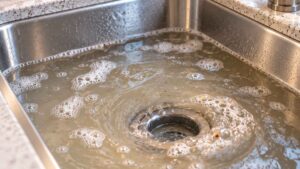
The kitchen sink takes a little longer to empty. Water starts pooling around your feet in the shower. The bathroom sink drains slowly enough that you find yourself watching the water disappear.

It’s tempting to ignore it because, technically, the drain still works.

But a slow drain is often an early warning sign of a developing blockage. Taking care of it now may be much easier than dealing with a sink full of dirty water that won’t drain at all.

For homeowners in Henderson and the Las Vegas Valley, here’s what a slow drain may be telling you.

Why Do Drains Start Running Slowly?

Most drain problems don’t happen instantly.

Material gradually collects inside the pipe, reducing the space available for water to flow. At first, water still gets through. As more material accumulates, drainage becomes slower.

Eventually, enough buildup can create a complete blockage.

What causes that buildup depends largely on which drain is affected.

Kitchen Sinks: Grease and Food Are Common Culprits

Kitchen drains handle a lot more than water.

Cooking oils, grease, food particles, sauces, coffee grounds, and other debris can find their way into the drain.

One of the biggest problems is grease.

Hot grease may enter the drain as a liquid, but it can cool and cling to the inside of the plumbing. Other debris can then stick to that material, gradually narrowing the pipe.

Even homes with garbage disposals need to be careful.

A garbage disposal breaks food into smaller pieces. It doesn’t mean everything you put into the sink can safely travel through your drain system.

Bathroom Sinks Have Their Own Problems

Bathroom sink drains frequently collect a mixture of:

* Hair
* Soap residue
* Toothpaste
* Shaving products
* Skin oils
* Cosmetic products

Over time, these materials can combine into a surprisingly stubborn blockage.

If one bathroom sink is draining slowly while everything else works normally, the clog may be relatively close to that fixture.

Hair Is a Major Problem in Showers and Tubs

If water starts pooling around your feet during a shower, hair is one of the first suspects.

Hair can become trapped inside the drain and combine with soap residue and other debris.

The blockage often develops gradually.

One week the shower seems perfectly normal. Then you notice a little standing water. Eventually, you’re finishing your shower with several inches of water around your feet.

A simple drain screen can help keep a significant amount of hair from entering the plumbing in the first place.

What About the Garbage Disposal?

A kitchen sink that drains slowly may also have a problem involving the garbage disposal.

Food debris can become trapped in or around the disposal or farther down the drain line.

If your disposal is humming but not spinning, repeatedly tripping, making unusual noises, or draining poorly, don’t keep forcing it to operate.

There may be a blockage or mechanical problem that needs attention.

And never put your hand inside a garbage disposal to investigate a clog.

Be Careful With Chemical Drain Cleaners

When a drain slows down, many homeowners immediately reach for a bottle of chemical drain cleaner.

That may not always be the best approach.

A chemical product may temporarily improve a partially clogged drain without actually removing the underlying buildup. Repeated use of harsh chemicals can also create additional concerns for certain plumbing materials.

There’s another important consideration: if you eventually need a plumber to work on the drain, potentially hazardous chemicals may still be sitting inside the pipe.

If you’ve already used a chemical drain cleaner, tell your plumber before they begin working.

One Slow Drain or Several?

This distinction matters.

If one sink or shower is draining slowly while every other fixture works normally, the problem may be isolated to that particular drain.

If multiple fixtures begin draining slowly at the same time, the issue could be farther down the plumbing system.

Pay particular attention if you notice:

* Multiple slow drains
* Toilets bubbling or gurgling
* Water backing up into another fixture
* Strange noises when another drain is used
* Sewage odors
* Water appearing in a shower or tub when another fixture drains

Those symptoms deserve professional attention.

What Does a Gurgling Drain Mean?

Drains aren’t supposed to talk to you.

If you hear frequent bubbling or gurgling noises, air may be moving through the plumbing in a way it normally wouldn’t.

A developing blockage can sometimes affect how water and air travel through the drainage system.

An occasional sound isn’t necessarily an emergency, but persistent gurgling — especially when combined with slow drainage — is worth investigating.

Don’t Wait for Standing Water

A completely clogged kitchen sink is much more disruptive than a slow one.

Now you can’t wash dishes. The dishwasher may be unusable. Dirty water can remain trapped in the basin.

The same goes for showers and tubs.

A little water around your feet is annoying. A tub that won’t drain at all can take the entire bathroom out of service.

Slow drainage gives you something valuable: warning.

Take advantage of it.

Can You Fix a Slow Drain Yourself?

Some minor drain problems can be handled with basic maintenance.

Removing visible hair from a shower drain or cleaning an accessible sink stopper may restore normal drainage.

A plunger can also help with certain localized blockages.

But if the problem keeps returning, don’t assume repeatedly clearing the same drain is solving the underlying issue.

Recurring clogs can indicate buildup farther down the line or another drainage problem that needs professional diagnosis.

Prevention Goes a Long Way

Good habits can reduce the likelihood of clogged drains.

Avoid pouring grease or cooking oil down the kitchen sink. Scrape food scraps into the trash before rinsing dishes. Use drain screens to catch hair. Pay attention when a drain begins getting slower rather than waiting until it stops completely.

Your drains don’t need to be treated delicately — they just shouldn’t be used as trash cans.

Slow Drain in Henderson? Call Pipe Pros

If your sink, shower, or tub is taking longer and longer to drain, don’t wait until you’re dealing with a complete backup.

Pipe Pros Plumbing & Mechanical helps homeowners throughout Henderson and the Las Vegas Valley diagnose and resolve drain and plumbing problems.

Whether you’re dealing with one stubborn sink or several fixtures that suddenly aren’t draining correctly, we’ll help identify the problem and determine the right solution.

A slow drain is your warning. Don’t wait for the backup — call Pipe Pros


Disclaimer: This article was created by Two Four Media for general informational purposes only and is not intended as professional plumbing advice. Plumbing systems and situations can vary. For questions about your specific plumbing needs, diagnosis, repairs, or service, please contact Pipe Pros directly.


Hot Water Running Out Too Fast? Your Water Heater May Be Trying to Tell You Something

You turn on the shower, wait for the water to get hot, and everything seems fine.

Then, halfway through your shower, the temperature starts dropping.

A few minutes later, you’re standing in lukewarm water wondering who used all the hot water.

If this happens occasionally after several showers, loads of laundry, and a running dishwasher, your household may simply have used the available hot water. But if your hot water suddenly isn’t lasting as long as it used to, there may be a problem with your water heater.

For homeowners in Henderson and the Las Vegas Valley, one culprit deserves particular attention: our notoriously hard Southern Nevada water.

How Long Should Your Hot Water Last?

There’s no single answer because every home is different.

The amount of hot water available depends on several factors, including the size and type of your water heater, household water usage, incoming water temperature, shower flow rate, and the condition of the water heater itself.

What’s more important is noticing a change.

If you used to comfortably take two showers back-to-back and suddenly the second person gets cold water, something has changed.

Sediment Buildup Is a Big Deal in Southern Nevada

Henderson homeowners know what hard water looks like.

It’s the white crust around faucets, spots on shower doors, and mineral deposits that seem to return immediately after cleaning.

Those minerals can also end up inside a traditional tank-style water heater.

As water is heated, minerals and sediment can accumulate near the bottom of the tank. Over time, that buildup can interfere with the heater’s performance.

Think of it this way: you may have a 50-gallon water heater, but significant sediment accumulation means you’re not necessarily getting the same usable performance you once did.

Your Water Heater May Need Maintenance

Water heaters aren’t appliances you should install and completely forget about for the next decade.

Periodic maintenance can help keep a traditional tank-style unit operating properly, particularly in an area with hard water.

Depending on the water heater and its condition, maintenance may include flushing accumulated sediment and inspecting important components.

However, homeowners shouldn’t automatically assume that flushing an older, neglected water heater themselves is always the right move. If the unit hasn’t been maintained for years or is already showing signs of deterioration, it’s worth having a plumber evaluate its condition first.

A Heating Element Could Be Failing

If you have an electric water heater, the tank may contain more than one heating element.

When one fails, you don’t necessarily lose all your hot water.

Instead, the symptoms can be much less obvious.

You might still get hot water when you first turn on the shower, but it runs out much faster than before. Recovery between showers may take longer, or the water may never seem quite as hot.

A technician can test the components to determine whether they’re operating correctly.

Gas Water Heaters Can Have Performance Problems Too

Gas-fired water heaters have their own components responsible for producing and controlling heat.

If the burner, controls, ignition system, or another component isn’t operating correctly, hot-water performance can suffer.

Because gas appliances involve combustion and venting, repairs should be handled carefully.

If you notice unusual operation, inconsistent heating, or other problems with a gas water heater, professional diagnosis is the safer route.

Is Your Water Heater Large Enough?

Sometimes nothing is technically broken.

The household has simply outgrown the water heater.

Maybe two people lived in the home when the current system was installed, and now there are four. Perhaps you’ve added a larger shower, upgraded bathroom fixtures, or simply changed how your household uses hot water.

If the water heater has always struggled to keep up, capacity could be the problem.

A properly sized water heater should take into account household demand rather than simply replacing the old unit with whatever happens to fit in the same space.

What If Hot Water Runs Out Only in One Shower?

Before blaming the water heater, check whether the problem occurs throughout the house.

Turn on hot water at another faucet.

If sinks and other showers have plenty of hot water but one shower doesn’t, the water heater may not be the problem at all.

The issue could involve that shower’s cartridge, mixing valve, or another fixture-specific component.

This distinction can save you from troubleshooting the wrong equipment.

Pay Attention to Other Water Heater Warning Signs

Running out of hot water may not be the only symptom.

Your water heater may also be telling you it needs attention if you notice:

* Popping or rumbling noises
* Longer recovery times
* Inconsistent water temperatures
* Rust-colored or discolored hot water
* Moisture or water around the unit
* Corrosion around plumbing connections
* Hot water that never gets as hot as it once did

Any significant change in how the system operates is worth investigating.

Is It Time to Repair or Replace Your Water Heater?

Not every hot-water problem means you need a new water heater.

Sometimes maintenance or replacing a component can restore normal operation.

But age matters.

When an older water heater begins having repeated problems, leaking, corroding, or requiring increasingly frequent repairs, replacement may make more financial sense than continuing to repair it.

A plumber can evaluate the unit’s age, condition, performance, and repair needs and help you compare your options.

Don’t Wait Until the Water Heater Completely Fails

Hot water gradually running out faster is easy to live with.

You shorten the shower. You wait before running the dishwasher. Everyone starts negotiating who gets to shower first.

But declining performance is still telling you something.

Having the system checked while it’s still working gives you more options than waiting until you wake up one morning with no hot water at all.

Running Out of Hot Water in Henderson? Call Pipe Pros

If your showers are getting shorter but your household’s water usage hasn’t changed, let Pipe Pros Plumbing & Mechanical take a look.

We help homeowners throughout Henderson and the Las Vegas Valley with water heater diagnostics, maintenance, repairs, and replacement.

We’ll determine why your hot water isn’t lasting like it used to and explain the options for getting your system back on track.

Your shower shouldn’t become a race against the water heater. Call Pipe Pros before the hot water runs out again.


Disclaimer: This article was created by Two Four Media for general informational purposes only and is not intended as professional plumbing advice. Plumbing systems and situations can vary. For questions about your specific plumbing needs, diagnosis, repairs, or service, please contact Pipe Pros directly.

When a Quick DIY Plumbing Fix Turns Into a Big Mess

There’s a certain satisfaction that comes from fixing something around the house yourself.

A dripping faucet? Grab a wrench. Slow drain? Head to the hardware store. Leaking pipe under the sink? Surely there’s a five-minute video online showing exactly how to fix it.

Sometimes that works perfectly.

Other times, a $20 DIY plumbing repair turns into water spraying across the bathroom at 9:30 on a Sunday night.

For homeowners in Henderson and the Las Vegas Valley, knowing which plumbing projects are reasonable DIY jobs — and which ones are better left to a professional — can save time, frustration, and potentially a lot of money.

Some Plumbing Repairs Really Are DIY-Friendly

Not every plumbing problem requires calling a plumber.

If you’re comfortable with basic home maintenance, there are several relatively simple tasks many homeowners can handle themselves.

These might include replacing a toilet flapper, cleaning a faucet aerator, unclogging a minor sink blockage, replacing a showerhead, or tightening a loose fixture.

The key is understanding the difference between basic maintenance and a repair that can affect your home’s water or drain system.

Once you’re disconnecting pipes, replacing valves, working on a water heater, or opening walls, the consequences of making a mistake become much larger.

The Most Important DIY Plumbing Rule: Know Where Your Water Shutoff Is

Before touching almost any plumbing connection, you should know how to stop the water.

Many fixtures have individual shutoff valves located nearby.

But every homeowner should also know where the home’s main water shutoff is located and how to operate it.

Why?

Because a plumbing repair can go from completely normal to very wet in seconds.

A fitting can break. An old valve can fail. A pipe can crack. A connection that looked perfectly fine can suddenly start spraying water.

That’s not the moment you want to begin searching for your main shutoff.

Old Plumbing Doesn’t Always Cooperate

One of the biggest surprises with DIY plumbing repairs is that the component you’re trying to replace may not be the only problem.

You might attempt to replace a faucet and discover that the shutoff valve underneath the sink no longer closes completely.

You turn the valve a little harder.

Now the valve starts leaking.

Suddenly your faucet replacement has become a valve replacement too.

Older plumbing components can become corroded, brittle, or difficult to move. Sometimes disturbing one component exposes a problem with another.

That’s where seemingly simple projects can quickly grow.

Be Careful With Drain-Cleaning Chemicals

A slow drain is one of the most common reasons homeowners attempt a DIY plumbing fix.

The first instinct is often to pour a chemical drain cleaner down the pipe.

But repeated use of harsh chemicals isn’t necessarily the best solution.

If a drain repeatedly slows or backs up, there may be a larger blockage or another problem within the drain system.

The chemical might temporarily improve flow without addressing the underlying issue.

And if you eventually call a plumber, tell them what products you’ve already put into the drain. A technician working on the line needs to know if potentially hazardous chemicals may still be present.

Tightening Something More Isn’t Always Better

Plumbing fittings need to be secure.

That doesn’t mean they should be tightened with every ounce of strength you have.

Overtightening certain plumbing components can damage threads, crack fittings, distort seals, or create leaks.

This happens frequently when homeowners see a small drip and assume another quarter-turn will solve everything.

Sometimes it does.

Sometimes that quarter-turn turns a small leak into a broken fitting.

If something continues leaking after being properly installed, the problem may be the seal, fitting, threads, or component itself — not a lack of force.

A Small Leak Can Create a Big Repair

Water has an annoying ability to travel.

A leak underneath a sink may run along a pipe before dripping somewhere else. Water behind a wall can travel downward and appear far from the actual source.

That means the visible water isn’t always where the plumbing failure occurred.

It’s also why seemingly minor leaks deserve attention.

Water can damage cabinets, drywall, flooring, insulation, and other building materials if it continues long enough.

Fixing the plumbing is one thing.

Repairing everything damaged by the water can become the expensive part.

Water Heater DIY Repairs Deserve Extra Caution

A water heater combines plumbing with either electricity or gas, depending on the system.

That’s considerably different from replacing a faucet aerator.

Improper water-heater work can create risks involving water damage, burns, electrical systems, combustion, venting, gas connections, and pressure.

Water heaters also incorporate safety components that shouldn’t be modified or bypassed.

If you’re dealing with leaking connections, unusual noises, inconsistent hot water, installation issues, gas components, electrical components, or pressure-related problems, professional service is generally the safer approach.

Southern Nevada Plumbing Has Its Own Challenges

Homes in Henderson and the Las Vegas Valley also deal with our region’s hard water.

Mineral buildup can make plumbing components more difficult to remove and can contribute to scale around fixtures, valves, faucets, and water-heater components.

A connection that looks simple in a tutorial filmed somewhere else may be much more stubborn after years of exposure to mineral-rich Southern Nevada water.

That’s another reason it’s important not to force a plumbing component that doesn’t want to move.

When Should You Stop a DIY Plumbing Repair?

One of the best DIY skills is knowing when to stop.

It’s probably time to call a professional if:

* You can’t completely shut off the water
* A valve starts leaking while you’re working
* The repair requires opening a wall
* You discover significant corrosion
* Water continues leaking after the repair
* Multiple drains are backing up
* You suspect a hidden or slab leak
* The problem involves a gas water heater
* You aren’t sure you’ve identified the actual cause
* The project has grown beyond what you originally planned

There’s nothing wrong with deciding a repair has moved beyond your comfort level.

The expensive mistake is continuing after you’re no longer sure what you’re doing.

The Internet Doesn’t Know What’s Behind Your Wall

Online videos are fantastic for learning basic home maintenance.

But the person in the video isn’t standing in your house.

They don’t know the age of your plumbing, what materials were used, whether previous repairs were done correctly, or what’s happening inside the wall.

Two plumbing problems that look identical from the outside can have completely different causes.

Use online information to become a more informed homeowner — not as proof that every plumbing repair should be attempted yourself.

Know When to Call Pipe Pros

We’re not going to tell you that every dripping faucet requires a plumber.

But if your Saturday morning DIY project suddenly involves water where water shouldn’t be, it’s probably time to put down the wrench.

Pipe Pros Plumbing & Mechanical serves homeowners throughout Henderson and the Las Vegas Valley with professional plumbing diagnostics and repairs.

Whether your plumbing problem started on its own or your quick DIY fix became a little more complicated than expected, we’ll help figure out what happened and get it repaired correctly.

DIY didn’t go according to plan? Don’t turn a small problem into a bigger one. Call Pipe Pros.


Disclaimer: This article was created by Two Four Media for general informational purposes only and is not intended as professional plumbing advice. Plumbing systems and situations can vary. For questions about your specific plumbing needs, diagnosis, repairs, or service, please contact Pipe Pros directly.

The Cold Shower Surprise: Why Your Hot Water Suddenly Runs Out

Few household problems get your attention faster than stepping into a warm shower and suddenly getting blasted with cold water.

If this happens once after several people have showered, there may be a simple explanation. But if your hot water is running out faster than it used to, taking forever to recover, or never getting fully hot, your water heater may be telling you something.

For homeowners in Henderson and the Las Vegas Valley, hard water, aging equipment, sediment buildup, and failing water-heater components can all contribute to inconsistent hot water.

Here are some of the most common reasons behind the dreaded cold shower surprise.

1. Your Household Is Using More Hot Water Than the Tank Can Supply

Traditional tank-style water heaters store a limited amount of heated water.

Once that supply is depleted, the heater needs time to bring incoming cold water back up to temperature.

Sometimes the problem isn’t the water heater at all. Your household may simply be demanding more hot water than the unit was designed to provide.

Think about whether anything has changed recently:

* More people are living in or visiting the home
* Family members are taking longer showers
* Multiple showers are happening back-to-back
* The dishwasher and washing machine are running around the same time
* You’ve installed fixtures that use more water

If you’ve consistently had enough hot water in the past and nothing about your household usage has changed, however, the water heater itself deserves a closer look.

2. Sediment May Be Building Up Inside the Tank

This is especially relevant in Southern Nevada.

Our hard water contains dissolved minerals that can accumulate inside a traditional water heater over time.

As sediment collects at the bottom of the tank, it can reduce the effective capacity of the water heater and interfere with efficient heat transfer.

You may begin noticing that:

* Hot water doesn’t last as long
* The heater takes longer to recover
* You hear popping or rumbling noises
* Hot-water performance gradually declines

Routine maintenance can help address sediment before it becomes a larger problem.

3. A Heating Element Could Be Failing

Electric water heaters commonly use heating elements to warm the water inside the tank.

If one of those elements fails, you may still have some hot water, which can make the problem confusing.

Instead of losing hot water completely, you might notice shorter showers, lukewarm water, or much slower recovery between uses.

A plumber can test the water heater and determine whether a heating component is functioning properly.

4. The Thermostat May Not Be Working Correctly

Your water heater relies on temperature controls to determine when heating is needed.

If a thermostat isn’t functioning correctly, the unit may not heat the water to the expected temperature.

Before assuming the thermostat has failed, remember that changing water-heater temperature settings can create safety concerns. Water that’s set too hot can cause serious burns.

If your water temperature has suddenly changed without anyone adjusting the unit, it’s better to have the system diagnosed.

5. Your Water Heater May Simply Be Getting Older

Water heaters don’t last forever.

As a unit ages, components wear, corrosion can develop, sediment accumulates, and performance may gradually decline.

A water heater that once handled consecutive showers without a problem may eventually struggle to keep up.

Age alone doesn’t automatically mean replacement is necessary, but when an older unit begins needing frequent repairs or delivering inconsistent hot water, it makes sense to compare the cost of continued repairs with replacement.

6. The Dip Tube Could Be Causing Problems

Inside many traditional water heaters is a component called a dip tube.

Its job is to direct incoming cold water toward the bottom of the tank, where it can be heated.

If the dip tube becomes damaged, incoming cold water can mix with the hot water higher in the tank sooner than intended.

The result can be water that starts hot but quickly becomes lukewarm or cold.

Because this component is inside the tank, diagnosing the problem isn’t as straightforward as checking a faucet or showerhead.

7. Your Water Heater May Be Too Small for Your Home

Sometimes a water heater is functioning exactly as designed — it just isn’t large enough for the household’s needs.

This can happen after:

* A household grows
* Bathrooms are added or remodeled
* Larger tubs or showers are installed
* Hot-water usage increases
* An improperly sized replacement unit was previously installed

Water-heater capacity should be matched to the household’s expected hot-water demand.

If running out of hot water has always been a problem, sizing may be part of the issue.

What If Only One Shower Has the Problem?

This is an important distinction.

If every faucet and shower in the house loses hot water, the water heater becomes an obvious suspect.

But if the problem happens at only one shower, the issue may be with that fixture instead.

A shower cartridge or mixing valve can malfunction and incorrectly blend hot and cold water.

Before replacing a perfectly good water heater, determine whether the problem affects the entire house or just one fixture.

Don’t Ignore Changes in Your Hot Water

A gradual decline in hot-water performance is easy to tolerate.

You start taking shorter showers. You wait longer between showers. Someone gets designated as the unlucky person who goes last.

But your water heater shouldn’t suddenly perform dramatically worse than it did before.

Changes in performance can provide an early warning that maintenance or repairs are needed.

When Should You Call a Plumber?

It’s time to have your water heater checked if you’re experiencing:

* Hot water running out much faster than before
* Water that never gets fully hot
* Long recovery times
* Unusual popping or rumbling noises
* Rust-colored or unusual-looking hot water
* Water leaking around the heater
* Frequent changes in water temperature

A professional inspection can determine whether the issue is maintenance-related, a replaceable component, or a sign that the water heater is nearing the end of its useful life.

Tired of Cold Showers in Henderson?

You shouldn’t have to race everyone else in the house to get the first shower.

If your hot water isn’t lasting like it used to, Pipe Pros Plumbing & Mechanical can diagnose the problem and help determine the right solution.

We serve homeowners throughout Henderson and the Las Vegas Valley with water-heater repair, maintenance, replacement, and other residential plumbing services.

Don’t wait for another cold shower surprise. Call Pipe Pros and get your hot water working the way it should.


Disclaimer: This article was created by Two Four Media for general informational purposes only and is not intended as professional plumbing advice. Plumbing systems and situations can vary. For questions about your specific plumbing needs, diagnosis, repairs, or service, please contact Pipe Pros directly.

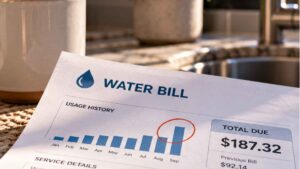
Your Water Bill Suddenly Jumped? Here’s What Could Be Causing It

You open your latest water bill and immediately notice something is wrong.

Last month looked normal. This month? Your water usage suddenly jumped — and so did the amount you owe.

For homeowners in Henderson and the Las Vegas Valley, higher water use can sometimes be explained by seasonal changes, irrigation, guests, or increased household activity. But when nothing about your routine has changed, an unexpected increase can also be an early warning sign of a plumbing problem.

Before assuming the higher bill is simply the new normal, here are some of the places worth checking.

First, Compare Your Actual Water Usage

Don’t look only at the dollar amount.

Compare the water consumption shown on your current bill with previous billing periods. Rates and other charges can change, so the amount due alone doesn’t necessarily tell you whether your household actually used more water.

If consumption has increased significantly, ask yourself whether there’s an obvious explanation.

Did you recently:

* Increase landscape watering?
* Fill or add significant water to a pool?
* Have guests staying at your home?
* Install new landscaping?
* Use more water for cleaning or home projects?
* Change your normal household routine?

If none of those apply, start looking for water that may be going somewhere you didn’t intend.

1. Check Your Toilets

A running toilet is one of the easiest plumbing problems to overlook.

Sometimes you’ll hear it constantly running. Other times, water slowly leaks from the tank into the bowl and the toilet periodically refills itself.

That means the toilet can use water throughout the day and night even when nobody flushes it.

Listen for toilets that randomly refill. You can also place a few drops of food coloring in the tank without flushing. If colored water eventually appears in the bowl, water is leaking past the tank’s seal.

A relatively simple toilet repair may solve what otherwise looks like a mysterious increase in household water use.

2. Look Under Your Sinks

Open the cabinets beneath your kitchen and bathroom sinks.

Look around the supply lines, shutoff valves, drains, and bottom of the cabinet.

A slow drip may not create an obvious puddle, especially if stored items or cabinet materials are absorbing the moisture.

Watch for:

* Damp surfaces
* Water stains
* Swollen cabinet material
* Corrosion around connections
* Musty odors
* Visible droplets

Even a small leak deserves attention.

3. Check Faucets and Showerheads

A dripping faucet is easy to ignore because each individual drop seems insignificant.

But plumbing leaks don’t take breaks.

A faucet that drips continuously is wasting water 24 hours a day.

Check bathroom faucets, kitchen faucets, utility sinks, tubs, and showers.

Outdoor hose bibs deserve attention too. Because they’re outside, leaks can go unnoticed much longer than an indoor dripping faucet.

4. Inspect Your Water Heater

Take a look around your water heater.

The floor surrounding the unit should generally be dry. Water around the base, moisture near plumbing connections, corrosion, or recurring puddles can indicate a problem that needs professional attention.

If your water heater is located in the garage, a small leak may be particularly easy to miss.

Don’t assume unexplained water around a water heater is normal condensation.

If you’re unsure where the water is coming from, have it inspected.

5. Don’t Forget Your Irrigation System

In Southern Nevada, irrigation can account for a substantial portion of residential water use.

A broken irrigation line, damaged emitter, leaking valve, or sprinkler problem can send water into the ground without creating an obvious plumbing emergency.

Walk around your property and look for unusually wet soil, pooling water, erosion, or areas of landscaping receiving much more water than intended.

Also check your irrigation schedule.

A programming change or malfunctioning controller can dramatically increase outdoor water consumption.

6. Watch for Signs of a Hidden Leak

Sometimes there isn’t an obvious dripping faucet or running toilet.

The leak may be behind a wall, underneath flooring, beneath a slab, or somewhere along the home’s water supply system.

Possible warning signs include:

* Unexplained water stains
* Peeling or bubbling paint
* Damp flooring
* Musty odors
* The sound of running water when fixtures are off
* Unexpected changes in water pressure
* Wet areas around the property

A hidden leak is one reason a sudden increase in water usage should not simply be ignored.

Try the Water Meter Test

Your home’s water meter can help determine whether water is moving through the system when it shouldn’t be.

Turn off everything that uses water.

That includes faucets, showers, toilets, washing machines, dishwashers, irrigation systems, and any other water-using equipment.

Then check the water meter.

Don’t use any water for a period of time and check it again.

If the meter indicates continued water consumption while everything is supposed to be off, you may have a leak somewhere in the system.

At that point, finding the source becomes the next priority.

Why Finding a Leak Early Matters

The higher water bill is only one potential cost of a plumbing leak.

Water escaping inside your home can also damage drywall, flooring, cabinets, insulation, and other building materials.

A plumbing problem that’s relatively straightforward to repair today can become much more expensive if water damage continues unnoticed.

Early detection can help limit both wasted water and property damage.

Don’t Just Accept a Suddenly Higher Water Bill

One unusual bill doesn’t automatically mean you have a plumbing problem.

But if your water consumption has increased significantly and you can’t explain why, your home deserves a closer look.

Check the simple things first: toilets, faucets, visible plumbing connections, your water heater, and irrigation.

If everything appears normal but your meter says water is still being used, it’s time to investigate further.

Water Bill Jumped in Henderson? Pipe Pros Can Help

If your water usage has suddenly increased and you can’t figure out where the water is going, Pipe Pros Plumbing & Mechanical can help.

We serve homeowners throughout Henderson and the Las Vegas Valley with professional plumbing diagnostics, leak repairs, fixture repairs, water heater service, and more.

We’ll help determine whether a plumbing problem is contributing to that unexpected increase and explain what needs to be done.

Your water bill shouldn’t be the first place you discover a plumbing problem. If something doesn’t add up, call Pipe Pros.


Disclaimer: This article was created by Two Four Media for general informational purposes only and is not intended as professional plumbing advice. Plumbing systems and situations can vary. For questions about your specific plumbing needs, diagnosis, repairs, or service, please contact Pipe Pros directly.

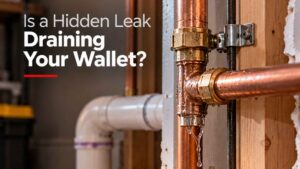
Is a Hidden Leak Draining Your Wallet? Signs Henderson Homeowners Shouldn’t Ignore

Not every plumbing leak announces itself with water pouring across the floor.

Some of the most expensive leaks are the ones you can’t see.

A small leak behind a wall, beneath a cabinet, under flooring, or somewhere in your plumbing system can continue for weeks or months before it becomes obvious. During that time, you may be paying for wasted water while moisture quietly damages materials around your home.

For homeowners in Henderson and the Las Vegas Valley, knowing the early warning signs of a hidden plumbing leak can help you catch a problem before it becomes a much larger repair.

Why Hidden Plumbing Leaks Are a Problem

A visible leak usually gets attention quickly. If water is spraying from a pipe or collecting underneath your kitchen sink, you know something needs to be fixed.

Hidden leaks are different.

Water may escape slowly enough that you don’t immediately notice it. Depending on where the leak occurs, the water can soak into drywall, cabinetry, flooring, insulation, or other building materials.

And because the leak is connected to your home’s water supply, you’re also paying for every gallon that escapes.

The sooner you identify the warning signs, the better.

1. Your Water Bill Suddenly Increases

One of the first signs of a hidden leak may not appear inside your home at all.

It may appear on your water bill.

If your water usage suddenly increases without an obvious explanation, something deserves a closer look.

Think about whether anything has changed recently. Are more people staying in the house? Have you dramatically increased outdoor watering? Did you fill a pool or use substantially more water than usual?

If your household habits haven’t changed but your water consumption has, a plumbing leak could be responsible.

2. You Hear Water When Nothing Is Running

Your house should generally be quiet when nobody is using water.

If you hear dripping, hissing, trickling, or the sound of water moving through pipes when all your fixtures are turned off, investigate.

Make sure toilets aren’t running, faucets are completely closed, and appliances such as the dishwasher and washing machine aren’t operating.

If you can still hear water moving, it may indicate a leak somewhere in the plumbing system.

3. Your Water Meter Keeps Moving

Your water meter can be a useful tool for detecting possible leaks.

Turn off faucets, appliances, irrigation, and anything else that uses water. Make sure nobody uses water during the test.

Then check your water meter.

If the meter continues registering water use when everything should be off, there’s a good chance water is moving somewhere in the system.

That doesn’t tell you exactly where the leak is located, but it gives you a strong reason to investigate further.

4. You Notice Discoloration on Walls or Ceilings

Water stains rarely appear for no reason.

Yellow, brown, or darker areas on drywall or ceilings can indicate moisture coming from plumbing above or behind the surface.

You might also notice paint beginning to bubble, peel, or discolor.

If the affected area is beneath a bathroom, kitchen, laundry room, or plumbing line, a hidden leak should be considered.

Don’t simply repaint the stain.

The source of the moisture needs to be identified first.

5. Flooring Begins to Change

Water underneath flooring can produce several symptoms.

Tile may loosen. Laminate can swell. Wood flooring may begin to warp or buckle. Carpet may feel damp even though nothing was spilled.

You may also notice an area of flooring that feels unusually warm.

Because many Southern Nevada homes are built on concrete slabs, plumbing problems beneath or around the slab can sometimes be more difficult to identify without professional leak-detection equipment.

Changes in your flooring shouldn’t automatically be assumed to be plumbing-related, but they’re worth investigating.

6. Cabinets Smell Musty or Feel Damp

Take a look underneath your kitchen and bathroom sinks occasionally.

These areas are easy to forget about because they’re usually filled with cleaning products, trash cans, and other household items.

Run your hand along the bottom of the cabinet and around the plumbing connections.

Look for moisture, staining, swollen wood, corrosion, or a musty odor.

A slow leak from a supply connection or drain can remain hidden behind everything stored under the sink.

7. Water Pressure Suddenly Drops

Low water pressure can have several causes, including fixture problems, mineral buildup, or issues with the municipal water supply.

But an unexpected pressure change can also indicate that water is escaping somewhere before it reaches your fixture.

If pressure drops throughout the house rather than at a single faucet or shower, it’s worth having the plumbing system evaluated.

8. You Notice Damp or Unusual Areas Outside

Not every hidden leak happens inside your house.

Underground water lines can also develop leaks.

Watch for unusually wet areas, unexplained puddles, soft ground, or sections of landscaping that suddenly appear much greener than everything around them.

In the Southern Nevada climate, an area that remains consistently wet without an obvious irrigation explanation deserves attention.

Why Small Leaks Can Become Expensive

The plumbing repair itself isn’t always the biggest expense associated with a leak.

The bigger concern can be what happens around the leak.

Water can damage drywall, cabinets, flooring, insulation, and other materials. A leak that would have been relatively straightforward to repair can become a much larger project if it continues unnoticed.

That’s why early detection matters.

Don’t Start Opening Walls Just Yet

If you suspect a hidden leak, resist the temptation to start cutting holes in drywall looking for it.

Professional plumbers have several ways to narrow down the source of a leak before unnecessary demolition begins.

The goal is to identify where the problem is occurring and determine the most appropriate repair.

If your water meter is moving, your bill is climbing, or you’re seeing signs of moisture, it’s time to investigate.

Think You Have a Hidden Leak in Henderson?

A mysterious increase in your water bill shouldn’t become your new normal.

If you suspect water is escaping somewhere inside or around your home, Pipe Pros Plumbing & Mechanical can help identify the source and determine what needs to be repaired.

We serve homeowners throughout Henderson and the Las Vegas Valley with professional plumbing diagnostics and repairs.

Don’t let a hidden leak keep draining your wallet. Call Pipe Pros and find out where your water is going.

Disclaimer: This article was created by Two Four Media for general informational purposes only and is not intended as professional plumbing advice. Plumbing systems and situations can vary. For questions about your specific plumbing needs, diagnosis, repairs, or service, please contact Pipe Pros directly.

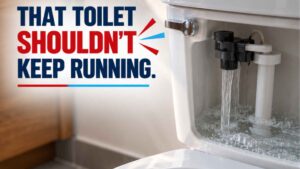
That Toilet Shouldn’t Keep Running: What Henderson Homeowners Need to Know

A toilet that keeps running may seem like a minor annoyance. You hear the tank refill every few minutes, jiggle the handle, and eventually get used to the sound.

But a running toilet isn’t something you should ignore.

When water continuously moves from the tank into the bowl, your toilet may be wasting water around the clock. What starts as a small plumbing problem can lead to higher water bills and, depending on the cause, eventually require a repair.

If your toilet in Henderson or the Las Vegas Valley seems to have a mind of its own, here’s what may be happening.

Why Does a Toilet Keep Running?

A toilet is actually a fairly simple system. After you flush, water leaves the tank and enters the bowl. The tank then refills until the water reaches the proper level.

Once it reaches that level, the fill valve should shut the water off.

When something inside the tank isn’t sealing, moving, or shutting off correctly, water can continue flowing.

Several components can cause the problem.

1. A Worn or Damaged Flapper

The flapper is the rubber seal located at the bottom of the toilet tank. When you flush, it lifts and allows water to flow into the bowl. It should then fall back into place and create a watertight seal.

Over time, the flapper can become worn, warped, cracked, or covered with mineral buildup.

When it no longer seals properly, water slowly leaks from the tank into the bowl. The water level in the tank drops, the fill valve turns on again, and suddenly you have a toilet that seems to refill over and over.

This is one of the most common causes of a running toilet.

2. Problems With the Fill Valve

The fill valve controls the water entering the toilet tank.

A properly functioning valve shuts off when the tank reaches the correct water level. If the valve becomes worn or develops a problem, it may continue allowing water into the tank.

Sometimes you’ll hear a constant hiss. Other times, the toilet may periodically refill even though nobody has used it.

If adjusting the water level doesn’t correct the problem, the fill valve may need to be repaired or replaced.

3. The Water Level Is Too High

Sometimes the toilet components are working, but the tank is simply filling with too much water.

Inside the tank is an overflow tube designed to prevent water from spilling onto your bathroom floor. If the tank’s water level is set too high, excess water can continuously drain into that tube.

The fill valve then keeps replacing it.

The result is a toilet that never completely stops running.

4. A Chain or Handle Problem

The chain connecting the toilet handle to the flapper needs a little slack to work correctly.

If it’s too tight, the flapper may never fully close.

If it’s tangled, damaged, or incorrectly positioned, it can create the same problem.

This is one of the easier things homeowners can visually inspect. Remove the tank lid and watch what happens when you flush. The flapper should lift freely and then settle completely back into place.

Las Vegas Valley Hard Water Can Make Things Worse

Southern Nevada homeowners also have another factor to consider: hard water.

Minerals in the water can accumulate on plumbing fixtures and components over time. Inside a toilet tank, mineral deposits can interfere with moving parts or prevent seals from closing as tightly as they should.

You may notice white or chalky buildup around components inside the tank.

Hard water isn’t necessarily the original cause of every running toilet, but mineral buildup can contribute to plumbing components wearing out or operating poorly.

How Much Water Can a Running Toilet Waste?

The amount depends on how severe the leak is.

A toilet with a small leak may quietly lose water without appearing to have a major problem. A badly malfunctioning toilet can move a surprising amount of water through the tank.

That’s why an unexplained increase in your water bill shouldn’t automatically be dismissed.

If your household’s water habits haven’t changed but your bill suddenly has, toilets are one of the places worth checking.

Try This Simple Toilet Leak Test

There’s an easy way to check whether water is leaking from the tank into the bowl.

Add a few drops of food coloring to the water inside the toilet tank. Don’t flush.

Wait approximately 15–30 minutes.

If colored water begins appearing in the bowl, water is getting past the seal somewhere inside the tank.

That doesn’t necessarily tell you which component has failed, but it confirms that water is moving when it shouldn’t be.

When Is a Running Toilet a DIY Repair?

Some toilet problems are relatively straightforward.

A homeowner comfortable with basic repairs may be able to replace a worn flapper, adjust the chain, or change the tank’s water level.

But if you’ve replaced the obvious parts and the toilet continues running, there’s probably more going on.

You should also consider calling a plumber if the toilet frequently clogs, leaks around the base, rocks or moves, doesn’t flush correctly, or shows signs of water damage around the floor.

Those symptoms can point to problems beyond the components inside the tank.

Don’t Ignore the Sound

It’s easy to become accustomed to a toilet that occasionally turns itself on.

But your plumbing shouldn’t be using water when nobody is using the fixture.

That familiar sound in the middle of the night is essentially your toilet telling you something isn’t working correctly.

Fixing the problem early can help prevent unnecessary water waste and give you a chance to address a small plumbing issue before it becomes a bigger headache.

Need Help With a Running Toilet in Henderson?

If you’ve adjusted the toilet, replaced the obvious parts, or simply don’t want to spend your weekend troubleshooting plumbing, Pipe Pros Plumbing & Mechanical can help.

Our team serves homeowners throughout Henderson and the Las Vegas Valley with professional plumbing repairs, diagnostics, water heater service, drain issues, and more.

We’ll determine why your toilet keeps running, explain what needs to be repaired, and get your plumbing working the way it should.

That toilet shouldn’t keep running. Let Pipe Pros take a look.


Disclaimer: This article was created by Two Four Media for general informational purposes only and is not intended as professional plumbing advice. Plumbing systems and situations can vary. For questions about your specific plumbing needs, diagnosis, repairs, or service, please contact Pipe Pros directly.