Check Us Out

Tag: residential plumbing

Is a Hidden Leak Draining Your Wallet? Signs Henderson Homeowners Shouldn’t Ignore
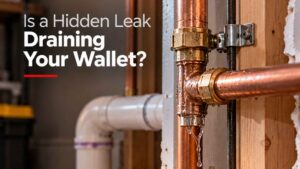
Not every plumbing leak announces itself with water pouring across the floor.

Some of the most expensive leaks are the ones you can’t see.

A small leak behind a wall, beneath a cabinet, under flooring, or somewhere in your plumbing system can continue for weeks or months before it becomes obvious. During that time, you may be paying for wasted water while moisture quietly damages materials around your home.

For homeowners in Henderson and the Las Vegas Valley, knowing the early warning signs of a hidden plumbing leak can help you catch a problem before it becomes a much larger repair.

Why Hidden Plumbing Leaks Are a Problem

A visible leak usually gets attention quickly. If water is spraying from a pipe or collecting underneath your kitchen sink, you know something needs to be fixed.

Hidden leaks are different.

Water may escape slowly enough that you don’t immediately notice it. Depending on where the leak occurs, the water can soak into drywall, cabinetry, flooring, insulation, or other building materials.

And because the leak is connected to your home’s water supply, you’re also paying for every gallon that escapes.

The sooner you identify the warning signs, the better.

1. Your Water Bill Suddenly Increases

One of the first signs of a hidden leak may not appear inside your home at all.

It may appear on your water bill.

If your water usage suddenly increases without an obvious explanation, something deserves a closer look.

Think about whether anything has changed recently. Are more people staying in the house? Have you dramatically increased outdoor watering? Did you fill a pool or use substantially more water than usual?

If your household habits haven’t changed but your water consumption has, a plumbing leak could be responsible.

2. You Hear Water When Nothing Is Running

Your house should generally be quiet when nobody is using water.

If you hear dripping, hissing, trickling, or the sound of water moving through pipes when all your fixtures are turned off, investigate.

Make sure toilets aren’t running, faucets are completely closed, and appliances such as the dishwasher and washing machine aren’t operating.

If you can still hear water moving, it may indicate a leak somewhere in the plumbing system.

3. Your Water Meter Keeps Moving

Your water meter can be a useful tool for detecting possible leaks.

Turn off faucets, appliances, irrigation, and anything else that uses water. Make sure nobody uses water during the test.

Then check your water meter.

If the meter continues registering water use when everything should be off, there’s a good chance water is moving somewhere in the system.

That doesn’t tell you exactly where the leak is located, but it gives you a strong reason to investigate further.

4. You Notice Discoloration on Walls or Ceilings

Water stains rarely appear for no reason.

Yellow, brown, or darker areas on drywall or ceilings can indicate moisture coming from plumbing above or behind the surface.

You might also notice paint beginning to bubble, peel, or discolor.

If the affected area is beneath a bathroom, kitchen, laundry room, or plumbing line, a hidden leak should be considered.

Don’t simply repaint the stain.

The source of the moisture needs to be identified first.

5. Flooring Begins to Change

Water underneath flooring can produce several symptoms.

Tile may loosen. Laminate can swell. Wood flooring may begin to warp or buckle. Carpet may feel damp even though nothing was spilled.

You may also notice an area of flooring that feels unusually warm.

Because many Southern Nevada homes are built on concrete slabs, plumbing problems beneath or around the slab can sometimes be more difficult to identify without professional leak-detection equipment.

Changes in your flooring shouldn’t automatically be assumed to be plumbing-related, but they’re worth investigating.

6. Cabinets Smell Musty or Feel Damp

Take a look underneath your kitchen and bathroom sinks occasionally.

These areas are easy to forget about because they’re usually filled with cleaning products, trash cans, and other household items.

Run your hand along the bottom of the cabinet and around the plumbing connections.

Look for moisture, staining, swollen wood, corrosion, or a musty odor.

A slow leak from a supply connection or drain can remain hidden behind everything stored under the sink.

7. Water Pressure Suddenly Drops

Low water pressure can have several causes, including fixture problems, mineral buildup, or issues with the municipal water supply.

But an unexpected pressure change can also indicate that water is escaping somewhere before it reaches your fixture.

If pressure drops throughout the house rather than at a single faucet or shower, it’s worth having the plumbing system evaluated.

8. You Notice Damp or Unusual Areas Outside

Not every hidden leak happens inside your house.

Underground water lines can also develop leaks.

Watch for unusually wet areas, unexplained puddles, soft ground, or sections of landscaping that suddenly appear much greener than everything around them.

In the Southern Nevada climate, an area that remains consistently wet without an obvious irrigation explanation deserves attention.

Why Small Leaks Can Become Expensive

The plumbing repair itself isn’t always the biggest expense associated with a leak.

The bigger concern can be what happens around the leak.

Water can damage drywall, cabinets, flooring, insulation, and other materials. A leak that would have been relatively straightforward to repair can become a much larger project if it continues unnoticed.

That’s why early detection matters.

Don’t Start Opening Walls Just Yet

If you suspect a hidden leak, resist the temptation to start cutting holes in drywall looking for it.

Professional plumbers have several ways to narrow down the source of a leak before unnecessary demolition begins.

The goal is to identify where the problem is occurring and determine the most appropriate repair.

If your water meter is moving, your bill is climbing, or you’re seeing signs of moisture, it’s time to investigate.

Think You Have a Hidden Leak in Henderson?

A mysterious increase in your water bill shouldn’t become your new normal.

If you suspect water is escaping somewhere inside or around your home, Pipe Pros Plumbing & Mechanical can help identify the source and determine what needs to be repaired.

We serve homeowners throughout Henderson and the Las Vegas Valley with professional plumbing diagnostics and repairs.

Don’t let a hidden leak keep draining your wallet. Call Pipe Pros and find out where your water is going.

Disclaimer: This article was created by Two Four Media for general informational purposes only and is not intended as professional plumbing advice. Plumbing systems and situations can vary. For questions about your specific plumbing needs, diagnosis, repairs, or service, please contact Pipe Pros directly.
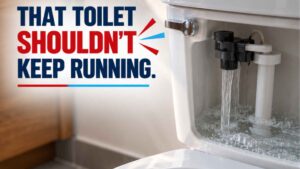
That Toilet Shouldn’t Keep Running: What Henderson Homeowners Need to Know

A toilet that keeps running may seem like a minor annoyance. You hear the tank refill every few minutes, jiggle the handle, and eventually get used to the sound.

But a running toilet isn’t something you should ignore.

When water continuously moves from the tank into the bowl, your toilet may be wasting water around the clock. What starts as a small plumbing problem can lead to higher water bills and, depending on the cause, eventually require a repair.

If your toilet in Henderson or the Las Vegas Valley seems to have a mind of its own, here’s what may be happening.

Why Does a Toilet Keep Running?

A toilet is actually a fairly simple system. After you flush, water leaves the tank and enters the bowl. The tank then refills until the water reaches the proper level.

Once it reaches that level, the fill valve should shut the water off.

When something inside the tank isn’t sealing, moving, or shutting off correctly, water can continue flowing.

Several components can cause the problem.

1. A Worn or Damaged Flapper

The flapper is the rubber seal located at the bottom of the toilet tank. When you flush, it lifts and allows water to flow into the bowl. It should then fall back into place and create a watertight seal.

Over time, the flapper can become worn, warped, cracked, or covered with mineral buildup.

When it no longer seals properly, water slowly leaks from the tank into the bowl. The water level in the tank drops, the fill valve turns on again, and suddenly you have a toilet that seems to refill over and over.

This is one of the most common causes of a running toilet.

2. Problems With the Fill Valve

The fill valve controls the water entering the toilet tank.

A properly functioning valve shuts off when the tank reaches the correct water level. If the valve becomes worn or develops a problem, it may continue allowing water into the tank.

Sometimes you’ll hear a constant hiss. Other times, the toilet may periodically refill even though nobody has used it.

If adjusting the water level doesn’t correct the problem, the fill valve may need to be repaired or replaced.

3. The Water Level Is Too High

Sometimes the toilet components are working, but the tank is simply filling with too much water.

Inside the tank is an overflow tube designed to prevent water from spilling onto your bathroom floor. If the tank’s water level is set too high, excess water can continuously drain into that tube.

The fill valve then keeps replacing it.

The result is a toilet that never completely stops running.

4. A Chain or Handle Problem

The chain connecting the toilet handle to the flapper needs a little slack to work correctly.

If it’s too tight, the flapper may never fully close.

If it’s tangled, damaged, or incorrectly positioned, it can create the same problem.

This is one of the easier things homeowners can visually inspect. Remove the tank lid and watch what happens when you flush. The flapper should lift freely and then settle completely back into place.

Las Vegas Valley Hard Water Can Make Things Worse

Southern Nevada homeowners also have another factor to consider: hard water.

Minerals in the water can accumulate on plumbing fixtures and components over time. Inside a toilet tank, mineral deposits can interfere with moving parts or prevent seals from closing as tightly as they should.

You may notice white or chalky buildup around components inside the tank.

Hard water isn’t necessarily the original cause of every running toilet, but mineral buildup can contribute to plumbing components wearing out or operating poorly.

How Much Water Can a Running Toilet Waste?

The amount depends on how severe the leak is.

A toilet with a small leak may quietly lose water without appearing to have a major problem. A badly malfunctioning toilet can move a surprising amount of water through the tank.

That’s why an unexplained increase in your water bill shouldn’t automatically be dismissed.

If your household’s water habits haven’t changed but your bill suddenly has, toilets are one of the places worth checking.

Try This Simple Toilet Leak Test

There’s an easy way to check whether water is leaking from the tank into the bowl.

Add a few drops of food coloring to the water inside the toilet tank. Don’t flush.

Wait approximately 15–30 minutes.

If colored water begins appearing in the bowl, water is getting past the seal somewhere inside the tank.

That doesn’t necessarily tell you which component has failed, but it confirms that water is moving when it shouldn’t be.

When Is a Running Toilet a DIY Repair?

Some toilet problems are relatively straightforward.

A homeowner comfortable with basic repairs may be able to replace a worn flapper, adjust the chain, or change the tank’s water level.

But if you’ve replaced the obvious parts and the toilet continues running, there’s probably more going on.

You should also consider calling a plumber if the toilet frequently clogs, leaks around the base, rocks or moves, doesn’t flush correctly, or shows signs of water damage around the floor.

Those symptoms can point to problems beyond the components inside the tank.

Don’t Ignore the Sound

It’s easy to become accustomed to a toilet that occasionally turns itself on.

But your plumbing shouldn’t be using water when nobody is using the fixture.

That familiar sound in the middle of the night is essentially your toilet telling you something isn’t working correctly.

Fixing the problem early can help prevent unnecessary water waste and give you a chance to address a small plumbing issue before it becomes a bigger headache.

Need Help With a Running Toilet in Henderson?

If you’ve adjusted the toilet, replaced the obvious parts, or simply don’t want to spend your weekend troubleshooting plumbing, Pipe Pros Plumbing & Mechanical can help.

Our team serves homeowners throughout Henderson and the Las Vegas Valley with professional plumbing repairs, diagnostics, water heater service, drain issues, and more.

We’ll determine why your toilet keeps running, explain what needs to be repaired, and get your plumbing working the way it should.

That toilet shouldn’t keep running. Let Pipe Pros take a look.


Disclaimer: This article was created by Two Four Media for general informational purposes only and is not intended as professional plumbing advice. Plumbing systems and situations can vary. For questions about your specific plumbing needs, diagnosis, repairs, or service, please contact Pipe Pros directly.
 

The Advantage of Having a Local Family Plumber in Southern Nevada

Most homeowners don’t think much about finding a plumber until they suddenly need one.

Then the search begins.

Who can you trust? Who knows the area? Who will give you a straightforward answer? And if something else happens six months from now, will you be able to call the same company again?

That’s where having a trusted local, family-owned plumber can make a difference.

Pipe Pros serves homeowners throughout Las Vegas, Henderson, and Southern Nevada, providing the kind of local plumbing service that’s built around relationships rather than transactions.

We Know Southern Nevada Homes

Plumbing problems can be surprisingly regional.

Las Vegas Valley homeowners deal with extremely hard water, mineral deposits, demanding summer conditions, and plumbing systems ranging from decades-old homes to brand-new construction.

Homes in established Las Vegas neighborhoods can have very different plumbing needs than newer developments throughout Henderson and the surrounding valley.

Working locally gives Pipe Pros experience with the types of problems Southern Nevada homeowners encounter every day.

You’re Supporting a Business That Lives Here Too

When you hire a locally owned company, more of that relationship stays within your community.

Our customers shop at the same stores, drive the same roads, live in the same neighborhoods, and recommend businesses to the same friends and family we do.

For Pipe Pros, maintaining a good reputation in Las Vegas and Henderson isn’t a corporate marketing objective. It’s personal.

Our business grows when customers are happy enough with their experience to call us again or tell someone else about us.

Familiarity Matters When Something Goes Wrong

Finding a plumber during an emergency is stressful.

Having a company you’ve already worked with is different.

You know who you’re calling. They may already know your home, your plumbing system, and work that has previously been performed. Instead of starting from scratch every time something happens, you have an established local resource.

That’s one of the biggest benefits of building a relationship with a family-owned plumber.

Straightforward Service. Long-Term Relationships.

We believe good plumbing service should be pretty simple: show up, communicate clearly, understand the problem, explain the options, and do quality work.

No complicated corporate experience required.

Pipe Pros is proud to be a local, family-owned plumbing company serving Las Vegas, Henderson, and Southern Nevada.

Whether you need help today or simply want a plumber you know you can call when the time comes, we’re here.

Pipe Pros — your local Southern Nevada plumbing team.

Las Vegas Hard Water: What Those White Spots Are Telling You

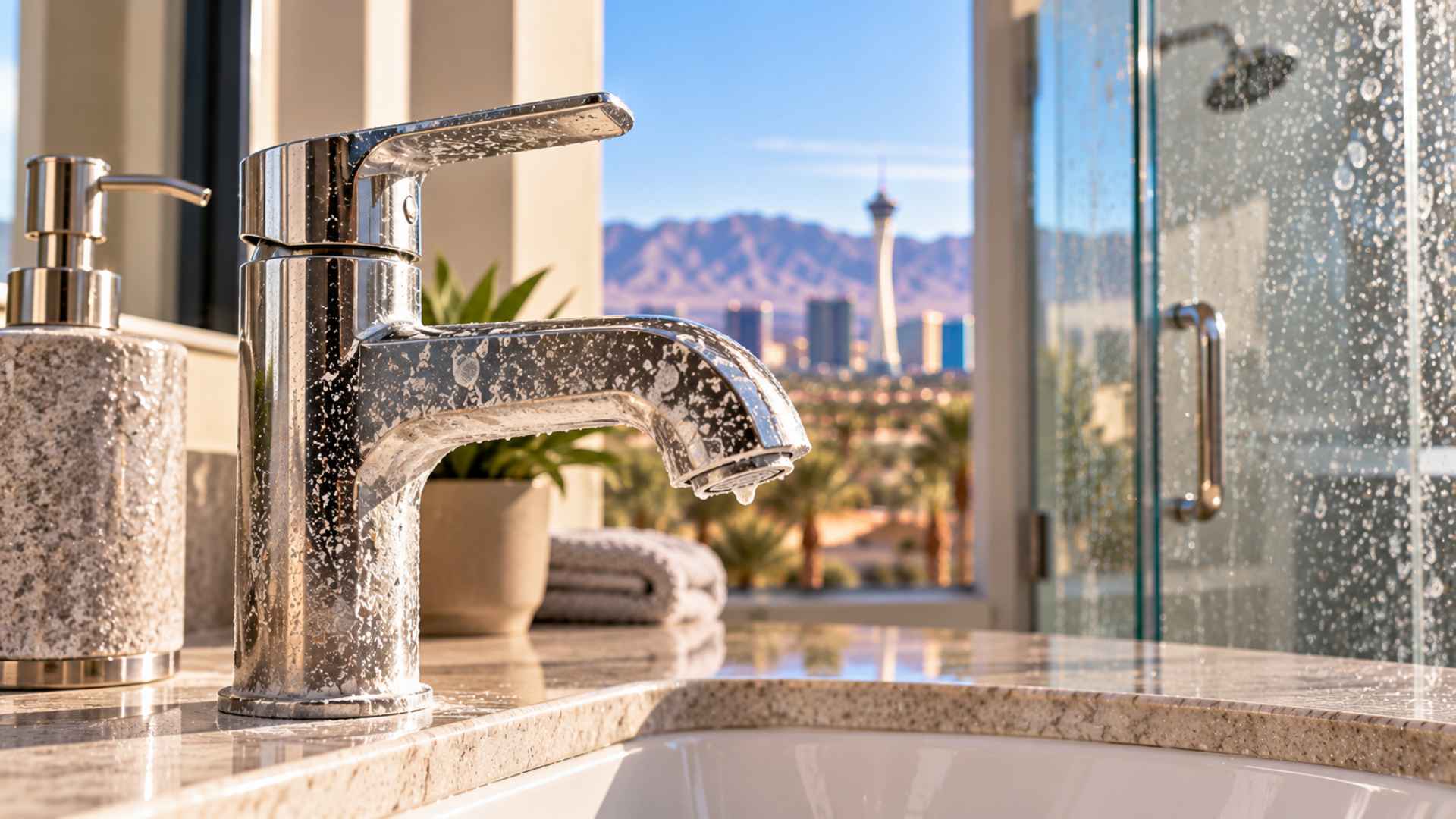
White spots on your faucets. Chalky residue around the showerhead. Cloudy marks on glass shower doors that seem to come back as soon as you clean them.

If you live in Las Vegas, you’re probably familiar with all of them.

Those stubborn white deposits are one of the most visible signs of Southern Nevada’s hard water. The minerals naturally present in our water can leave residue behind as water evaporates, creating buildup on everything from bathroom fixtures to kitchen faucets.

But the spots you can see are only part of the story. The same minerals can also accumulate in plumbing fixtures, water heaters and water-using appliances over time.

Here’s what Las Vegas homeowners should know about hard water and what can realistically be done about it.

Las Vegas Has Very Hard Water

Hard water contains dissolved minerals, primarily calcium and magnesium.

The Las Vegas Valley’s water supply is considered very hard, which is why mineral deposits are such a common sight in homes throughout Southern Nevada.

Whether you’re in Summerlin, Spring Valley, Enterprise, Centennial Hills, Mountains Edge, Southern Highlands or another part of the Las Vegas Valley, you’re likely dealing with the effects of mineral-rich water.

Hard water isn’t unusual, but the degree of hardness in Southern Nevada makes its effects especially noticeable.

Those White Spots Are Mineral Deposits

When water lands on a faucet, shower door, countertop or sink and then evaporates, the water disappears but some of its dissolved minerals remain.

That’s what creates the familiar white or chalky residue.

You may notice buildup around:

  • Faucet aerators
  • Showerheads
  • Sink drains
  • Glass shower doors
  • Bathtub fixtures
  • Kitchen faucets
  • Tile and grout
  • Appliances that use water

Repeated exposure allows those deposits to accumulate.

That’s why simply wiping away a water spot doesn’t prevent another one from appearing the next time the surface gets wet and dries.

Your Showerhead Can Slowly Lose Performance

Mineral buildup isn’t only cosmetic.

Look closely at a showerhead in a Las Vegas home and you may see white deposits forming around individual spray openings.

As those openings become restricted, the spray pattern can change. Some openings may stop flowing properly while others spray in different directions.

The result can feel like a water-pressure problem even though the home’s actual water pressure hasn’t changed.

Faucet aerators can experience the same issue.

If one faucet or shower has noticeably weaker flow than the rest of the house, checking for mineral buildup at the fixture is a reasonable place to start.

Hard Water and Your Water Heater

Your water heater handles a lot more water than your bathroom faucet.

In a traditional tank-style water heater, minerals and sediment can accumulate toward the bottom of the tank over time.

As buildup increases, homeowners may begin noticing symptoms such as popping or rumbling noises while the water heater operates.

Routine maintenance can be particularly important in Southern Nevada because of our hard-water conditions.

If your water heater hasn’t been inspected or maintained in years, the lack of visible problems on the outside doesn’t necessarily tell you what’s accumulating inside.

Appliances Deal With Hard Water Too

Any appliance regularly using water may be exposed to mineral buildup.

That can include:

  • Dishwashers
  • Washing machines
  • Refrigerators with water dispensers
  • Ice makers
  • Coffee makers
  • Tank and tankless water heaters

You may notice spotting on dishes and glassware, deposits around appliance connections or mineral residue in areas where water regularly evaporates.

The effect will vary depending on the appliance, household usage and whether the home has any type of water treatment.

Hard Water Can Make Cleaning Frustrating

This is probably the effect homeowners notice most often.

You clean the shower glass until it’s spotless. A few showers later, the cloudy appearance starts coming back.

You polish the faucet. Soon afterward, white deposits begin forming around the base again.

That’s because cleaning removes the deposits already on the surface. It doesn’t change the mineral content of the water creating them.

Regular cleaning can keep buildup under control, but homeowners dealing with significant hard water may find themselves repeating the process constantly.

Is Hard Water the Same as Contaminated Water?

No.

Water hardness describes the concentration of certain dissolved minerals in the water. It isn’t the same thing as saying the water is contaminated or unsafe.

That’s an important distinction.

The frustration with hard water is generally related to scale, mineral deposits, cleaning, fixture performance and its effects on plumbing equipment—not simply the presence of visible white residue.

Can a Water Softener Help?

A properly sized and operating water softener can reduce the hardness minerals reaching the home’s plumbing and fixtures.

Instead of simply removing spots after they appear, a softener addresses the minerals responsible for much of the scale in the first place.

For Las Vegas homeowners tired of constantly cleaning fixtures and dealing with hard-water buildup, that’s one reason whole-home water softening is worth considering.

However, not every water-treatment system does the same thing.

Water Softening and Water Filtration Aren’t the Same Thing

These terms are often used interchangeably, but they’re not necessarily the same.

A traditional water softener is designed specifically to address hardness minerals such as calcium and magnesium.

Water filtration systems may be designed to address other characteristics of the home’s water.

Depending on what a homeowner wants to accomplish, one system or a combination of treatment methods may make sense.

Before buying equipment based on advertising alone, it’s worth understanding the actual problem you’re trying to solve.

If the problem is primarily scale and hard-water buildup, make sure the system you’re considering is actually designed to address hardness.

What Can You Do Without Installing a Water Softener?

Not every homeowner is ready to install a whole-home system.

Regularly cleaning faucets, showerheads and aerators can help keep visible mineral buildup under control. Removing deposits before they become severe can also help maintain normal flow through fixtures.

Water heaters should receive appropriate maintenance based on their type, condition and manufacturer recommendations.

But these steps manage the effects of hard water. They don’t change the hardness of the water entering the home.

If mineral buildup is a constant problem throughout the house, water treatment may be worth discussing.

Already Have a Water Softener but Still Seeing White Buildup?

Having a water softener installed doesn’t guarantee it’s operating correctly forever.

If you’ve noticed hard-water symptoms returning, the system may need attention.

Changes worth noticing include:

  • White scale returning rapidly
  • Soap behaving differently
  • Increased spotting on glassware
  • Mineral buildup around fixtures
  • Changes in how the water feels
  • Unexpected changes in salt usage

The issue could involve settings, maintenance, equipment condition or another part of the system.

Rather than assuming the softener is working because it’s plugged in and has salt, its actual operation may need to be checked.

Hard Water Is Part of Owning a Home in Southern Nevada

From older homes in central Las Vegas and Spring Valley to newer communities in Summerlin, Enterprise and the southwest valley, hard water is something homeowners throughout the area encounter.

Those white spots aren’t mysterious. They’re visible evidence of minerals left behind after the water evaporates.

Cleaning can address what you see. Proper plumbing maintenance can help manage buildup in fixtures and equipment. And for homeowners who want to address hardness throughout the house, a properly selected water-treatment system may provide a longer-term solution.

Need Help With Hard Water or Mineral Buildup in Las Vegas?

If mineral buildup is affecting your faucets, showerheads, water heater or other plumbing equipment, Pipe Pros can help evaluate what’s happening and discuss options appropriate for your home.

Pipe Pros serves homeowners throughout Las Vegas and Southern Nevada with professional plumbing, water heater and water-treatment services.

Contact Pipe Pros to discuss hard water, mineral buildup or water-treatment options for your Las Vegas home


Disclaimer: This article was created by Two Four Media for general informational purposes only and is not intended as professional plumbing advice. Plumbing systems and situations can vary. For questions about your specific plumbing needs, diagnosis, repairs, or service, please contact Pipe Pros directly.

Waiting Too Long for Hot Water? What Las Vegas Homeowners Should Know

Standing in the bathroom with the shower running for a minute or two before the water finally gets hot is more than an inconvenience. You’re also sending perfectly good water down the drain while you wait.

It’s a common complaint in homes throughout Las Vegas and Southern Nevada, particularly in larger houses where the water heater may be a considerable distance from the primary bathroom.

Sometimes that delay is simply a result of the home’s plumbing layout. Other times, slower hot-water delivery can point to a water heater that needs attention, mineral buildup, or another plumbing issue.

Here’s how to tell the difference.

The Distance From Your Water Heater Matters

Hot water doesn’t instantly appear at the shower when you turn the handle.

When nobody has used hot water for a while, the water sitting in the pipes between the water heater and shower cools. When you turn on the shower, all of that cooler water has to leave the pipe before freshly heated water arrives.

The longer the plumbing run, the longer that can take.

This can be particularly noticeable in larger homes in communities like Summerlin, Southern Highlands, Mountains Edge, and the southwest Las Vegas Valley, where the water heater and primary bathroom may be located on opposite sides of the house.

In that situation, there may be nothing wrong with the water heater itself.

Your Plumbing May Travel Farther Than You Think

The distance you can see between two rooms isn’t necessarily the distance water has to travel.

Water lines may route through walls, ceilings, floors, and other parts of the structure before reaching a fixture. A bathroom that appears relatively close to the garage could still be connected by a surprisingly long plumbing run.

Pipe size and the design of the plumbing system also affect how much cooled water needs to move before hot water reaches the shower.

That’s one reason two similarly sized Las Vegas homes can have completely different experiences with hot-water delivery.

Test More Than One Faucet

Before blaming the water heater, do a quick comparison around the house.

Check the hot water at:

* The kitchen sink
* Bathroom sinks
* Other showers
* Bathtubs

If the kitchen gets hot quickly but the primary bathroom takes much longer, distance or the plumbing serving that part of the home may be the issue.

If hot water is slow or inadequate everywhere, it’s more reasonable to look at the water heater itself.

Also pay attention to whether the water eventually becomes fully hot. Water that takes a while to arrive is a different problem from water that never reaches the temperature it used to.

Your Water Heater May Be Losing Performance

Hot-water problems can become more noticeable as a water heater ages or develops maintenance issues.

Signs that the water heater itself may need attention include:

* Hot water running out sooner than it used to
* Water not getting as hot as before
* Inconsistent hot-water temperatures
* Longer recovery times after showers or laundry
* Popping or rumbling noises from the tank
* Visible corrosion or moisture around the unit

A sudden change is particularly worth investigating.

If your primary shower has taken 90 seconds to get hot since the day you moved in, the home’s plumbing layout may simply be responsible. If it used to take 30 seconds and now takes several minutes, something has changed.

Southern Nevada Hard Water Can Affect Water Heaters

Las Vegas homeowners are very familiar with hard water.

The same minerals that leave white deposits around faucets and showerheads can accumulate inside a traditional tank-style water heater.

Over time, sediment can collect near the bottom of the tank and potentially affect its performance. Heavy buildup may also contribute to the popping and rumbling noises sometimes heard while a water heater is operating.

Routine maintenance can be especially important for water heaters operating with Southern Nevada’s mineral-heavy water.

If your water heater hasn’t been serviced in a long time and its performance is declining, its condition is worth evaluating.

Hot-Water Recirculation May Be an Option

If your water heater works properly but certain fixtures are simply too far away, a hot-water recirculation system may offer another solution.

A recirculation system is designed to reduce the amount of time you spend waiting for heated water to reach distant fixtures.

There are different ways these systems can be configured depending on the home’s plumbing. Some can operate on schedules, controls, or other methods intended to provide faster access to hot water without continuously circulating it.

For a larger Las Vegas home with long plumbing runs, it’s an option worth discussing with a plumber.

Tankless Doesn’t Automatically Mean Instant

It’s easy to assume a tankless water heater will immediately solve a long wait for hot water.

That’s not necessarily true.

Tankless water heaters heat water differently from traditional storage tanks, but the heated water still has to travel from the unit through your home’s plumbing to the shower.

If the water heater is 60 feet of plumbing away from the primary bathroom, replacing a tank with a tankless unit in the same location doesn’t eliminate those 60 feet.

A tankless system may offer other advantages for the right household, but “tankless” and “instant hot water at the shower” aren’t the same thing.

That’s an important distinction when deciding what problem you’re actually trying to solve.

All That Waiting Also Wastes Water

There’s another reason this matters in Las Vegas.

If you run the shower waiting for hot water, everything coming out before it gets hot is going straight down the drain.

Multiply that by multiple showers, sinks, household members, and 365 days a year, and a long hot-water wait can represent a meaningful amount of unused water.

In Southern Nevada, reducing unnecessary water use is worth considering alongside the convenience of getting hot water faster.

When a Slow Shower Deserves a Closer Look

You don’t necessarily need a plumber because one distant bathroom has always taken a little longer to get hot.

It’s more important to investigate when something changes.

Consider having your plumbing or water heater checked if:

* Hot water suddenly takes much longer to arrive
* Water never gets as hot as it once did
* Hot water runs out significantly faster
* Only one shower has a temperature problem
* The water heater has started making unusual noises
* You see moisture or corrosion around the water heater
* Hot-water performance has gradually declined
* You want to explore a hot-water recirculation system

The goal isn’t simply to make the water hotter. It’s to determine what’s causing the delay in the first place.

Faster Hot Water for Las Vegas Homes

From established homes in Spring Valley to larger properties in Summerlin, Enterprise, Mountains Edge, and Southern Highlands, plumbing layouts vary considerably throughout the Las Vegas Valley.

If you’re tired of running the shower and waiting for hot water every morning, Pipe Pros can evaluate your water heater and plumbing system and help identify the reason for the delay.

Depending on the home, the answer could involve water heater maintenance, a repair, a fixture issue, a recirculation solution, or simply finding a better way to work with the home’s existing plumbing design.

Contact Pipe Pros for professional water heater and plumbing service in Las Vegas and throughout Southern Nevada.


Disclaimer: This article was created by Two Four Media for general informational purposes only and is not intended as professional plumbing advice. Plumbing systems and situations can vary. For questions about your specific plumbing needs, diagnosis, repairs, or service, please contact Pipe Pros directly.
Why Is My Water Pressure Suddenly Low in Las Vegas?

You turn on the shower and suddenly the water pressure isn’t what it used to be. Maybe the kitchen faucet seems weak, the shower slows to a trickle when another fixture is running, or the entire house feels like it has lost water pressure.

Low water pressure can be a minor issue with a single faucet or a sign of a larger plumbing problem. For homeowners in Las Vegas, Henderson, and throughout Southern Nevada, mineral buildup from our hard water can also contribute to restricted water flow over time.

The first step is figuring out whether the problem is happening at one fixture or throughout the entire home.

Is the Low Water Pressure at One Fixture or Throughout the House?

This is one of the easiest ways to narrow down the problem.

If only one faucet or shower has low pressure, the issue is probably located at or near that fixture.

If water pressure has dropped throughout the entire house, the cause could involve the home’s main water supply, pressure regulator, plumbing system, or even a leak.

Try several fixtures around your home, using both hot and cold water. That can give you a better idea of how widespread the problem is.

1. A Faucet Aerator or Showerhead May Be Clogged

If the problem is limited to one faucet or shower, start with the fixture itself.

Las Vegas Valley water contains dissolved minerals that can leave the familiar white, chalky buildup you see around faucets and showerheads. Over time, those deposits can also restrict the small openings that water passes through.

A clogged faucet aerator or showerhead can make it seem like your home has lost water pressure even when the plumbing system itself is operating normally.

If one fixture has noticeably less flow than the others, mineral buildup is one of the first things worth checking.

2. Southern Nevada’s Hard Water Can Contribute to Buildup

Hard water is a fact of life in Las Vegas.

The minerals in our water can accumulate on fixtures and inside portions of a plumbing system over time. The amount of buildup and its effect on water flow will depend on the home’s plumbing, age, water treatment, and other factors.

This is especially worth considering when water pressure has gradually declined rather than dropping suddenly.

If you’re seeing significant mineral deposits around faucets and showerheads while also noticing reduced water flow, the two may be related.

3. Your Pressure Regulator Could Be the Problem

Many homes use a pressure-reducing valve, commonly called a pressure regulator, to control the pressure of water entering the house.

If that regulator begins to malfunction, you may notice a significant change in water pressure throughout the home.

Pressure regulator problems aren’t always limited to low pressure. A failing regulator can potentially result in pressure that is too low, too high, or inconsistent.

Because excessive water pressure can put unnecessary stress on plumbing fixtures and components, this isn’t something you want to solve simply by adjusting things until the shower feels stronger.

A plumber can measure the home’s actual water pressure and determine whether the regulator is operating correctly.

4. A Partially Closed Valve Can Restrict Water Flow

Sometimes the explanation is surprisingly simple.

Your home’s water supply has shutoff valves that control water flow. If a main valve isn’t completely open, it can restrict the amount of water reaching fixtures throughout the house.

This may happen after plumbing repairs, maintenance, or other work involving the home’s water supply.

If your water pressure suddenly changed immediately after plumbing work, a valve position may be worth checking.

5. Low Water Pressure Can Be a Sign of a Leak

A plumbing leak can reduce the amount of water reaching your fixtures.

Some leaks are obvious. Others can occur behind walls, beneath floors, underground, or in areas that aren’t easily visible.

Low water pressure alone doesn’t necessarily mean you have a leak, but pay attention if it occurs along with other warning signs, including:

* An unexplained increase in your water bill
* Damp or discolored walls or ceilings
* Water pooling where it shouldn’t
* The sound of running water when fixtures are off
* Unexplained wet areas outside
* A water meter that continues moving when no water is being used

If you suspect a leak, having the problem investigated quickly can help prevent additional water damage.

6. Is the Problem Only With Hot Water?

There’s another useful test you can perform.

Does the low pressure affect both hot and cold water, or only the hot side?

If cold-water pressure seems normal but hot-water flow has dropped throughout the house, the issue may be related to the water heater or hot-water plumbing rather than the home’s entire water supply.

This distinction can help narrow down where the problem is occurring.

7. Your Neighborhood Could Be Experiencing a Temporary Water-Supply Issue

Not every water-pressure problem originates inside your house.

Utility work, maintenance, a water-main issue, or other temporary conditions can sometimes affect water pressure in an area.

If your pressure dropped suddenly, especially without any other signs of a plumbing problem, it can be worth determining whether neighboring homes are experiencing the same thing.

If your neighbors have normal pressure and yours remains low, the problem is more likely specific to your property.

Why Does My Water Pressure Drop When Someone Else Uses Water?

A small change in flow when several fixtures are operating can be normal.

A dramatic drop is different.

If taking a shower becomes difficult whenever someone runs the washing machine, flushes a toilet, or turns on another faucet, your plumbing system may not be delivering enough flow when demand increases.

Possible causes can include restrictions, valves, pressure-regulation problems, buildup, or issues with the home’s plumbing.

A plumber can test the system rather than guessing which component is responsible.

Should You Increase Your Home’s Water Pressure Yourself?

Be careful here.

More pressure isn’t automatically better.

Water pressure that is too high can place additional stress on faucets, supply lines, appliances, valves, and other plumbing components. If your home suddenly has low pressure, it’s better to identify the cause than simply try to increase it.

Knowing the actual water pressure coming into the home is an important part of diagnosing the problem.

When Should You Call a Plumber for Low Water Pressure?

A clogged showerhead or faucet aerator may be something you can address yourself.

It’s time to investigate further when the problem is more widespread or keeps returning.

Consider calling a plumber if:

* Water pressure is low throughout the house
* The pressure dropped suddenly without an obvious reason
* Hot-water pressure is significantly lower than cold
* Pressure changes dramatically when multiple fixtures are used
* You suspect a pressure regulator problem
* You notice signs of a possible water leak
* Cleaning the affected fixture doesn’t solve the problem
* Water pressure continues getting worse

Finding the cause is especially important if the change happened suddenly.

Low Water Pressure in Your Las Vegas Home?

If your shower doesn’t have the pressure it used to or water flow throughout your home has noticeably changed, Pipe Pros can help determine what’s causing the problem.

Pipe Pros serves homeowners throughout Las Vegas and Southern Nevada with professional plumbing services. Whether the problem is isolated to a fixture or involves the home’s larger plumbing system, identifying the cause is the first step toward fixing it correctly.

Experiencing low water pressure? Contact Pipe Pros to schedule plumbing service in Las Vegas and Southern Nevada.


Disclaimer: This article was created by Two Four Media for general informational purposes only and is not intended as professional plumbing advice. Plumbing systems and situations can vary. For questions about your specific plumbing needs, diagnosis, repairs, or service, please contact Pipe Pros directly.

Why Does My Las Vegas Home Keep Getting Clogged Drains?

A clogged drain every once in a while is a normal plumbing problem. But if you’re constantly reaching for the plunger, dealing with slow drains, or having the same drain back up again a few weeks after clearing it, there may be a bigger issue somewhere in your plumbing system.

For homeowners in Las Vegas and across Southern Nevada, recurring drain problems can come from everything from everyday buildup to problems deeper inside the home’s drain or sewer lines.

Here are some of the most common reasons drains keep clogging—and when it may be time to have a plumber take a closer look.

1. Buildup Inside Your Drain Lines

Most clogged drains don’t happen overnight. Material slowly collects along the inside of the pipe until there isn’t enough room for water to flow normally.

In kitchen drains, common culprits include:

* Grease and cooking oils
* Food particles
* Soap and detergent residue

Bathroom drains often collect:

* Hair
* Soap scum
* Toothpaste
* Shaving products
* Skin and cosmetic products

You may clear enough of the blockage to get the water moving again without actually removing all of the buildup. That’s one reason the same drain can become clogged repeatedly.

2. You May Have a Problem Deeper in the Drain Line

When one sink drains slowly, the problem is usually somewhere near that fixture.

When several drains throughout the house are slow or backing up at the same time, however, the problem may be farther down the plumbing system.

Pay attention if you notice:

* Multiple slow drains
* Toilets bubbling or gurgling
* Water backing up into a tub or shower
* Strange sounds after flushing a toilet
* Sewage odors coming from drains
* Problems that return shortly after a drain has been cleared

These can indicate a blockage in a larger drain or sewer line rather than an isolated clogged sink.

3. What Goes Down the Drain Matters

Many recurring clogs are caused by things that shouldn’t be going into the plumbing system in the first place.

Kitchen grease is one of the biggest offenders. Hot grease may pour easily down the drain, but it can cool and stick to the inside of the pipes. Other material then attaches to it, gradually restricting the line.

Toilets can also become clogged when items other than toilet paper and human waste are flushed. Wipes, paper towels, hygiene products and other materials may not break down the way toilet paper does.

Even products marketed as “flushable” can contribute to plumbing problems.

4. The Age and Condition of Your Plumbing Can Play a Role

Las Vegas has experienced decades of rapid growth, but Southern Nevada also has plenty of established neighborhoods with older plumbing systems.

Over time, drain lines can develop problems that make recurring clogs more likely. Depending on the type and age of the plumbing, these can include deterioration, corrosion, shifting pipes or damaged sections of line.

If you live in an older home in Las Vegas, Henderson or another established Southern Nevada neighborhood and are repeatedly clearing the same drains, the condition of the plumbing itself may be worth investigating.

5. Tree Roots Can Cause Sewer-Line Problems

Trees and landscaping can create another problem underground.

Roots naturally seek moisture and can enter sewer lines through small cracks, joints or damaged areas. Once inside, they can continue growing and catch debris moving through the pipe.

The result may begin as an occasional slow drain and eventually become repeated backups or a more serious sewer-line blockage.

Clearing the immediate obstruction may restore flow temporarily, but it won’t necessarily solve the underlying problem if roots or pipe damage remain.

6. The Clog May Never Have Been Completely Removed

A drain working again doesn’t always mean the problem is gone.

Basic plunging or other temporary measures may create a small opening through a blockage while leaving material attached to the pipe. Water begins flowing again, so the problem appears solved—until more debris accumulates.

If a drain repeatedly clogs in the same location, professional drain cleaning can help determine whether there is a more substantial obstruction that needs to be addressed.

Should I Use Chemical Drain Cleaner?

It can be tempting to grab a bottle of chemical drain cleaner when water stops moving, but repeatedly pouring harsh chemicals into your plumbing isn’t a good long-term strategy.

Chemical products may not completely remove the material causing the blockage, particularly when the problem is deeper in the plumbing system. Depending on the plumbing and product being used, repeated chemical treatments can also be hard on pipes.

If you’re dealing with a recurring clog, identifying why it keeps happening is usually more useful than repeatedly treating the symptom.

When Should You Call a Plumber for a Clogged Drain?

A simple clog that clears and doesn’t return may not require professional attention.

Recurring problems are different.

Consider having your plumbing checked if:

* The same drain keeps clogging
* Several drains are running slowly
* You hear frequent bubbling or gurgling
* Water backs up into another fixture
* You notice sewer odors
* Plunging only fixes the problem temporarily
* You suspect a main drain or sewer-line issue

A plumber can determine whether you’re dealing with a localized blockage or something farther down the system.

Dealing With Recurring Clogged Drains in Las Vegas?

If your drains keep backing up, don’t keep treating the same problem over and over.

Pipe Pros can help diagnose clogged and slow drains and determine what’s causing the problem. We serve homeowners throughout Las Vegas and Southern Nevada with professional plumbing and drain services.

Whether you’re dealing with a stubborn kitchen sink, a slow shower drain or signs of a larger drain-line problem, the Pipe Pros team can help get things flowing again—and help determine why the problem keeps coming back.

Need help with a clogged or slow drain? Contact Pipe Pros to schedule plumbing service in Las Vegas and Southern Nevada.


Disclaimer: This article was created by Two Four Media for general informational purposes only and is not intended as professional plumbing advice. Plumbing systems and situations can vary. For questions about your specific plumbing needs, diagnosis, repairs, or service, please contact Pipe Pros directly.